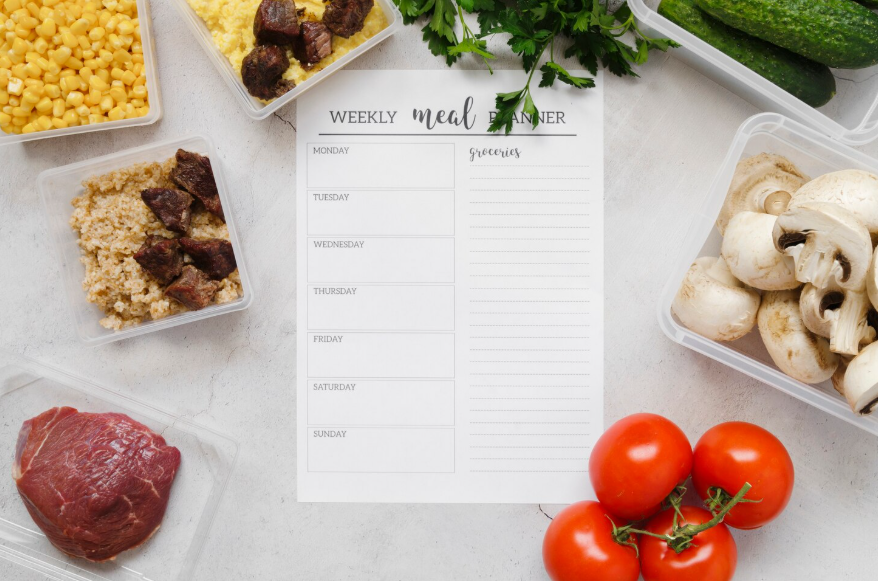
The best realistic weekly meal plan is not the most organized or ambitious. It is the one you can actually follow. When your plan matches your time, energy, budget, and habits, dinner becomes easier and far less stressful.
Meal planning sounds simple until real life happens. A perfect plan can fall apart the moment work runs late, energy drops, or unexpected events appear. That is why many people quit meal planning: they build fantasy schedules rather than realistic ones.
Start With Your Real Week
Before choosing meals, look at your actual schedule. Which nights are busy? Which days have more time? When will you be tired? When will you be home late?
This matters more than recipes. A complicated dinner on your busiest night is a setup for takeout.
Match effort to reality. Use quick meals on hard days, leftovers on hectic nights, and more involved cooking when time is available.
Check How to Grocery Shop for the Week in Under 30 Minutes for faster weekly prep.
Plan Fewer Meals Than You Think
Many people try to plan seven dinners, seven lunches, and every snack. That can create pressure and waste.
Instead, plan three to four core dinners, a few breakfast options, and flexible lunch basics. Repeat meals when helpful. Use leftovers intentionally.
Example dinner plan:
- Monday: Sheet pan chicken
- Tuesday: Tacos
- Wednesday: Leftovers
- Thursday: Pasta
- Friday: Freezer meal or takeout night
- Weekend: Flexible
Less planning often leads to more follow-through.
Choose Meals With Overlapping Ingredients
One of the easiest ways to simplify meal planning is to reuse ingredients across multiple meals.
Chicken can be used for sheet-pan dinners, tacos, and lunch bowls. Rice can be used in stir-fries, burrito bowls, and as a side dish. Spinach can be added to eggs, pasta, and salads.
This lowers grocery costs, reduces waste, and speeds up shopping by keeping your list focused.
Explore How to Shop Seasonally and Save Big on Produce for lower-cost produce ideas.
Build Backup Options
A realistic meal plan includes failure points. Some nights, you will not want to cook what you planned.
Keep one or two backup meals ready: frozen pizza, soup, breakfast-for-dinner, sandwiches, or a freezer meal. These are not cheating; they are part of the system.
Having a backup prevents one hard night from derailing the whole week.
Learn Meal Prep for Beginners: A Simple 3-Day System for simple backup meals.
Keep Breakfast and Lunch Easy
Not every meal needs creativity. Simplicity is often the reason a plan survives.
Rotate a few reliable breakfasts, such as oats, eggs, yogurt, smoothies, or toast. Use leftovers, wraps, snack boxes, or meal-prepped bowls for lunches.
Save your planning energy for the meals that create the most stress, usually dinner.
Review What Actually Happens
At the end of the week, notice what worked and what did not.
Did Tuesday always become takeout? Move an easier-to-make meal there next week. Did you buy too much produce? Reduce it. Did everyone love one recipe? Repeat it regularly.
The best meal plan improves through feedback, not perfection.
Make Planning Fast and Repeatable
You do not need to reinvent your week every Sunday. Keep a running list of successful meals your household enjoys.
Create categories like quick dinners, low-effort meals, freezer backups, and weekend favorites. Then planning becomes choosing from proven options rather than starting from scratch.
That saves time and reduces decision fatigue before the week even begins.
See How to Prep a Week of Lunches in 2 Hours for easy meal repetition.
Followable Beats Perfect
A meal plan you follow at 80% is far more valuable than a perfect plan you abandon by Tuesday.
Keep it realistic, flexible, and aligned with your actual schedule. Use overlap, backups, and simple defaults.
When planning fits life rather than fighting it, meals become easier, and the habit finally sticks.