
With smart staples, flexible meals, and a realistic plan, a family can eat well on a $75 weekly grocery list for family meals while keeping stress low and waste under control.
Feeding a family on a tight budget can feel impossible when grocery prices keep rising. The good news is that a lower grocery bill usually comes from strategy more than sacrifice. You do not need gourmet ingredients, complicated recipes, or a coupon binder to make it work.
Start With Low-Cost Core Foods
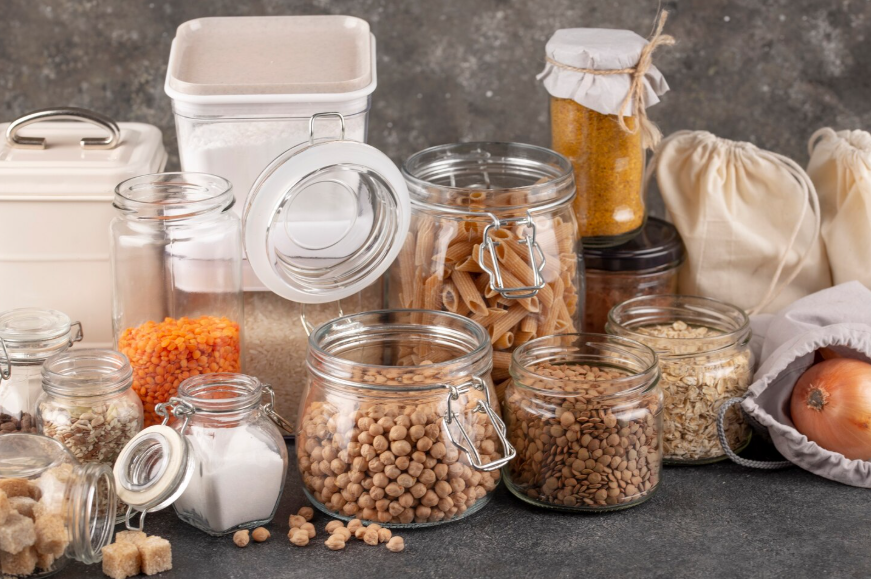
A budget grocery list works best when built around affordable, filling basics. These foods stretch meals and pair well with many flavors. Think rice, pasta, oats, potatoes, eggs, beans, bread, frozen vegetables, and seasonal produce.
Protein is often the biggest budget challenge, so focus on lower-cost options such as chicken thighs, ground turkey, eggs, canned tuna, peanut butter, and dried beans. You do not need expensive cuts of meat at every dinner.
Choose ingredients that can appear in multiple meals. A bag of rice can be used to make stir-fries, burrito bowls, and side dishes. Eggs can cover breakfast, lunch, and quick dinners. Reuse is where savings grow.
Explore 10 Pantry Staples You Should Always Have on Hand for low-cost basics.
Sample $75 Grocery List
Prices vary by region and store, but this example shows the idea:
- Oats – $4
- Bread (2 loaves) – $6
- Rice – $4
- Pasta (2 boxes) – $4
- Pasta sauce – $3
- Potatoes – $5
- Eggs (2 dozen) – $8
- Chicken thighs – $10
- Ground turkey – $6
- Canned tuna (2) – $4
- Dried or canned beans – $4
- Peanut butter – $3
- Milk – $4
- Bananas – $2
- Apples – $4
- Onions – $2
- Carrots – $2
- Frozen vegetables (2 bags) – $6
- Cheese – $4
Total: approximately $75
This list is not fancy, but it creates breakfasts, lunches, dinners, snacks, and side dishes for the week.
Build a Simple Weekly Meal Plan
You do not need seven unique dinners. Repetition saves money and time. Try a plan like this:
- Monday: Chicken, rice, frozen vegetables
- Tuesday: Pasta with sauce and side salad or carrots
- Wednesday: Breakfast for dinner with eggs and toast
- Thursday: Turkey tacos or burrito bowls
- Friday: Tuna sandwiches and soup
- Saturday: Baked potatoes with toppings
- Sunday: Leftover night or bean chili
Breakfasts can rotate between oatmeal, eggs, toast, fruit, or peanut butter toast. Lunches can be leftovers, sandwiches, rice bowls, or egg-based meals.
Keeping meals simple reduces ingredient overload and helps everything get used.
Read How to Build a Weekly Meal Plan That You’ll Actually Follow for planning help.
Smart Ways to Stretch the Budget Further
Buy store brands whenever quality is similar. Staples like oats, rice, canned goods, pasta, and frozen vegetables are often great value.
Use produce strategically. Bananas, apples, carrots, onions, potatoes, and cabbage are usually lower-cost and versatile. Save pricier produce for sale weeks.
Cook once, use twice. Roast extra chicken for wraps the next day. Make extra rice for fried rice or bowls. Batch cooking turns one meal into two.
Limit drinks, snacks, and convenience foods if the budget is tight. Those categories can quietly consume a large share of weekly spending.
Check Store Brand vs Name Brand: What’s Actually Worth It? for smarter swaps.
Adjust for Real Life
Every family is different. If someone has dietary restrictions, shift the budget toward foods they can safely eat. If mornings are rushed, buy faster breakfast options and simplify dinner elsewhere.
Some weeks may be $75, others a little higher. The goal is not perfection—it is having a repeatable system that keeps costs manageable over time.
The USDA guide on food waste highlights that the average American family of four loses about $1,500 a year to uneaten food, which is why tracking waste can help stretch a tight grocery budget.
If lettuce always spoils or no one touches oatmeal, swap it next week. Your best grocery list is the one your household actually uses.
Learn How to Turn Leftovers Into New Meals for waste-cutting ideas.
Budget Shopping Can Still Feel Good
A lower grocery budget does not mean low-quality family life. Warm meals, full lunches, and reliable basics create stability and reduce stress.
When you focus on flexible ingredients, simple meals, and smart repeats, $75 can go further than many people expect. The real win is not just saving money; it is knowing exactly how to feed your family with confidence.