With one focused cooking session, you can save time, reduce stress, and make the week ahead much easier.
Cooking every night can feel exhausting, especially after a long day. But relying on takeout or convenience food gets expensive fast. A smarter middle ground is to cook once and eat all week by reusing that effort throughout the week.
It does not mean eating the same meal seven times. It means preparing versatile base ingredients that can be transformed into a variety of lunches and dinners.
Build Around Base Ingredients
The key to cooking once is choosing ingredients that work in multiple meals. Think proteins, carbs, vegetables, and sauces that can be mixed and matched.
Examples of great bases include shredded chicken, seasoned ground turkey, roasted vegetables, rice, pasta, potatoes, beans, and boiled eggs.
Instead of prepping only finished meals, you create building blocks. That keeps your options open and prevents boredom.
Explore 10 Pantry Staples You Should Always Have on Hand for flexible basics.
What to Cook in One Session
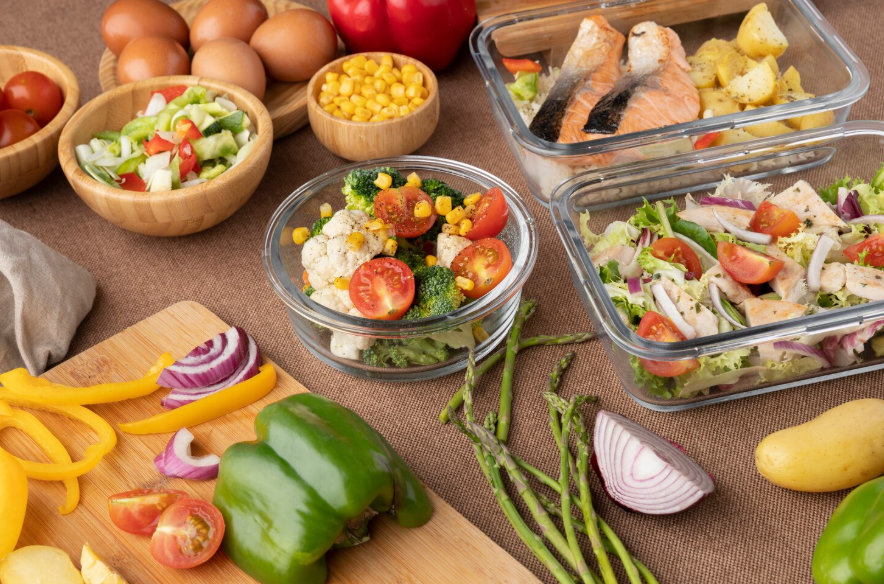
A practical weekly cook session might include:
- Protein: roast chicken or cook ground turkey
- Carb: rice, pasta, or roasted potatoes
- Vegetables: broccoli, peppers, onions, carrots
- Flavor boosters: salsa, vinaigrette, yogurt sauce
- Extras: boiled eggs, washed greens, chopped fruit
This can often be done in about 90 minutes using overlapping tasks. While the protein cooks, the rice simmers, and the vegetables roast.
You are creating momentum for the whole week.
How to Turn One Prep Into Multiple Meals
Here is how the same ingredients can become different meals:
- Monday: chicken rice bowls with vegetables
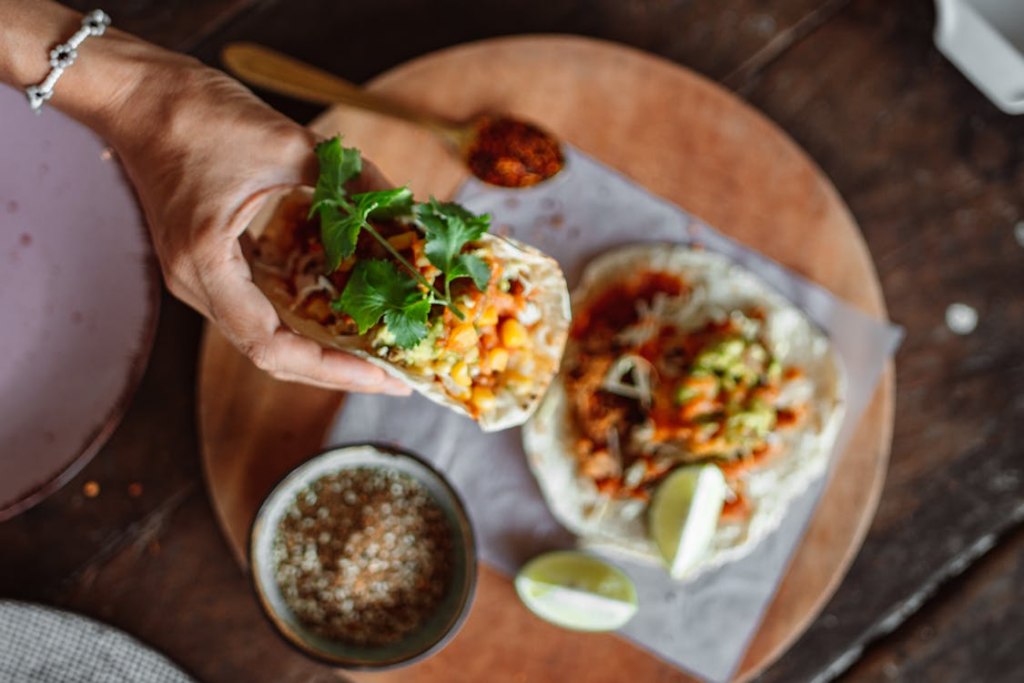
- Tuesday: tacos using chicken and peppers
- Wednesday: pasta with turkey and vegetables
- Thursday: breakfast-for-dinner with potatoes and eggs
- Friday: salad topped with leftover protein
- Weekend: soup, wraps, or freezer backup
The ingredients repeat, but the meals still feel different because the format and flavors change.
Read Meal Prep for Beginners: A Simple 3-Day System for easy meal ideas.
Use Sauces to Create Variety
Sauces are one of the easiest ways to prevent meal fatigue.
Chicken and rice can become totally different meals with salsa, teriyaki sauce, pesto, lemon dressing, or hot sauce. The base stays the same while the flavor changes.
Keep a few easy sauce options on hand so meals feel fresh without extra cooking.
This is one of the simplest tricks for making repeated ingredients enjoyable.
Store Food for Easy Access
Your system works better when food is visible and ready to grab. Use clear containers when possible and group similar items together in the fridge.
Keep cooked proteins on one shelf, vegetables on another, sauces in one area, and ready snacks within easy reach.
If you cannot see what you prepped, you are less likely to use it.
Good organization turns cooked food into actual convenience.
Check The Best Containers for Meal Prep (Tested & Ranked) for storage help.
Keep Expectations Realistic
You do not need a gourmet variety or a perfect weekly grid. Some weeks, you may cook one protein and one carb. Other weeks, you may do more.
Even partial prep helps. Cooking rice, roasting vegetables, or making a large batch of protein can remove major friction on weeknights.
Consistency matters more than intensity.
Save Money and Mental Energy
Cooking once reduces the need for repeated cleanup, decision-making, and the temptation to order food.
It also helps grocery budgets because ingredients get used with intention instead of being forgotten in the fridge.
When meals are easier to assemble, homemade food becomes more realistic during busy weeks.
See How to Build a Weekly Meal Plan That You’ll Actually Follow for weekly structure.
One Session, Many Wins
Cooking once and eating all week is really about leverage. You invest effort once and collect the benefits multiple times.
Start small: one protein, one carb, vegetables, and a sauce. That alone can transform several meals.
The simplest systems are often the ones people actually keep.