
Impulse spending is not about weak willpower. It is usually the result of store design, hunger, fatigue, and lack of a plan. With a few simple strategies, you can avoid impulse buys at grocery store trips and keep more money in your pocket.
Impulse buys can quietly wreck a grocery budget. Most shoppers do not overspend because of one giant mistake. They overspend on small unplanned items added throughout the trip. A drink here, a snack there, a sale item that looked interesting, and suddenly the total jumps far beyond the list.
Why Grocery Stores Trigger Impulse Buys
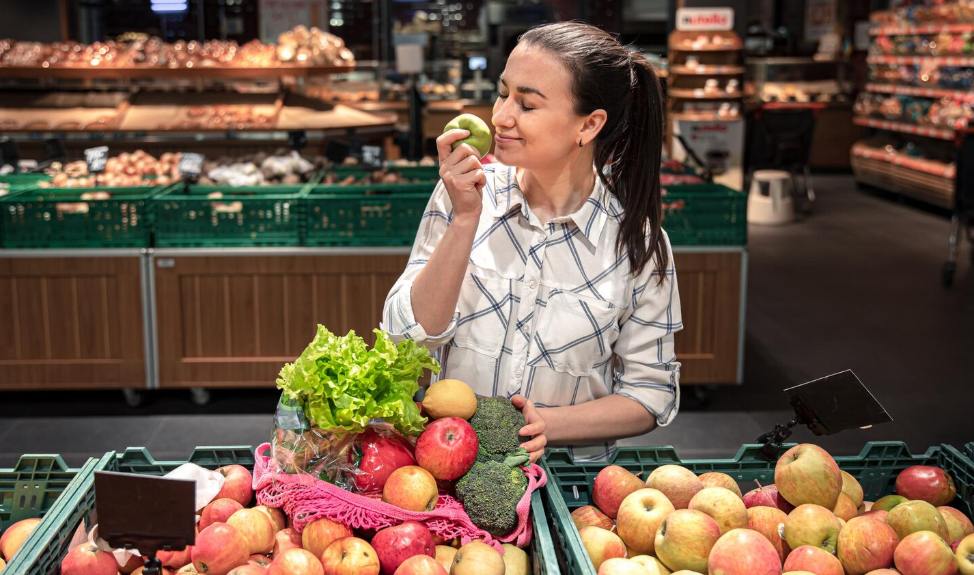
Stores are designed to encourage extra spending. Endcaps feature promotions, checkout lanes display snacks, and eye-level shelves highlight profitable products.
Even pleasant music, bakery smells, and colorful displays can slow shoppers down and increase browsing time. The longer you wander, the more likely you are to buy something unplanned.
This is not a conspiracy; it is a retail strategy. Once you understand that, it becomes easier to shop intentionally rather than react emotionally to what you see.
Explore How to Build a Weekly Meal Plan That You’ll Actually Follow for better planning.
Start With a Clear List
A specific list is one of the best defenses against impulse buying. “Need dinner stuff” is too vague. “Chicken, rice, broccoli, yogurt, bananas, bread” gives your trip direction.
Organize your list by store sections, such as produce, dairy, frozen, and pantry. This reduces wandering and helps you move with purpose.
Keep a running note during the week so forgotten staples are already captured before shopping day. The less you rely on memory inside the store, the better.
See The Best Grocery Apps for Saving Money and Time for budget help.
Never Shop Hungry or Rushed
Hunger makes convenience foods and snacks feel far more tempting. If possible, eat a meal or snack before shopping.
Rushing can also increase bad decisions. When you feel stressed or behind schedule, grabbing random items feels easier than thinking clearly.
Even ten extra minutes of calm planning before leaving home can lead to better choices than a frantic trip made while starving and distracted.
Use the Pause Rule
When something unplanned lands in your cart, pause for ten seconds and ask:
- Was this on my list?
- Will I use it this week?
- Would I still buy it at full price?
- Am I replacing something I already have?
This short pause creates awareness. Many impulse purchases depend on speed and emotion. Slowing down helps logic catch up.
You do not need to ban all spontaneous buys. You want them to be intentional rather than automatic.
Read How to Grocery Shop for the Week in Under 30 Minutes for faster trips.
Avoid High-Risk Areas and Triggers
Every shopper has weak spots. Maybe it is the bakery, gourmet snacks, seasonal aisle, or checkout candy.
If a category repeatedly leads to grocery overspending, create a rule for it. Skip that aisle unless needed. Choose one treat only. Shop online for those items with a set budget.
You can also use a basket instead of a cart for shorter trips. Limited space naturally reduces random extras.
Focus on Total Value, Not Fake Savings
A sale item is only a deal if you need it and will use it. Buying three bags of chips because they were discounted is still spending more money than not buying them.
Compare unit prices, check what is already at home, and remember that every unplanned dollar has an opportunity cost. It could have gone toward essentials, savings, or future groceries.
Real savings often come from buying fewer unnecessary things rather than chasing every promotion.
Check 15 Grocery Store Items That Are Cheaper Than You Think for smart swaps.
Build Better Habits, Not Perfect Trips
No one shops perfectly every time. You may still grab a treat or try something new from time to time. That is normal.
The goal is to reduce mindless extras that repeatedly inflate your bill. A better list, a full stomach, and a few simple rules can make a big difference over the course of months of grocery trips.
When you stop impulse buys at the source, your budget improves without feeling like punishment.