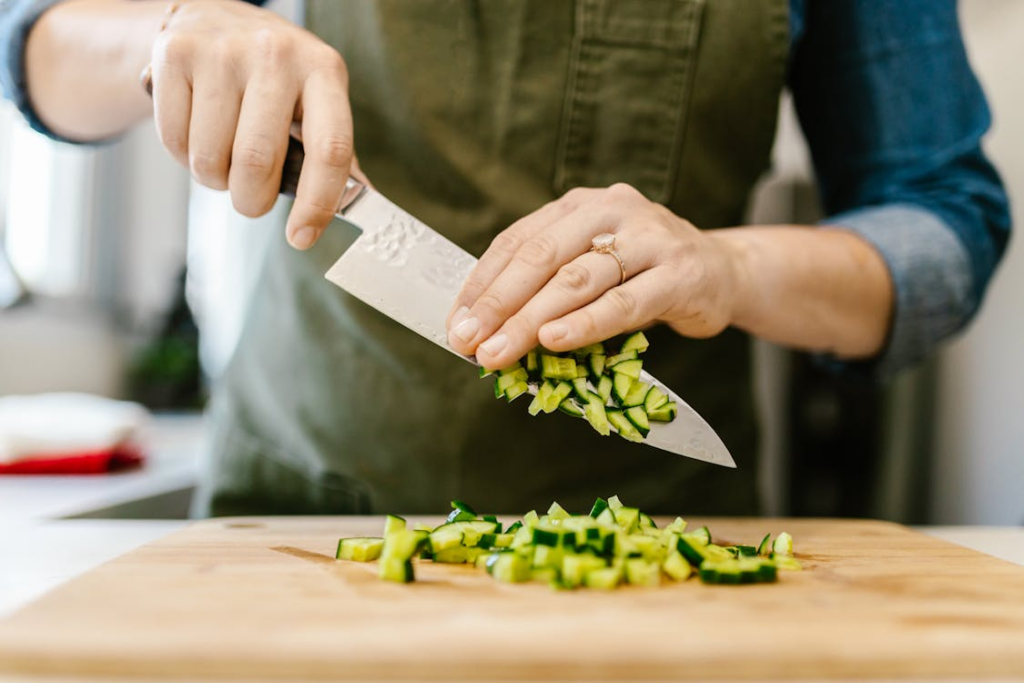
You do not need restaurant training to use the same principles at home. A few chef grocery shopping tips can help you buy better food, save money, and make weeknight cooking much easier.
Professional chefs do not just know how to cook; they know how to shop. In many kitchens, great meals begin long before the stove turns on. Chefs learn to spot quality ingredients, stretch budgets, reduce waste, and choose products with purpose.
Buy Ingredients, Not Just Products
One common chef’s habit is thinking in terms of ingredients rather than packaged meals. Rather than buying a cart full of ready-made items, chefs look for building blocks they can use in many ways.
Onions, garlic, herbs, rice, eggs, potatoes, canned tomatoes, greens, and proteins can be combined into dozens of meals, depending on how they are prepared.
This mindset increases flexibility and lowers costs. A bag of potatoes can make breakfast hash, roasted sides, soup, or sheet-pan dinners. Ingredients work harder than one-purpose products.
See 10 Pantry Staples You Should Always Have on Hand for more simple building blocks.
Shop the Produce Like a Pro
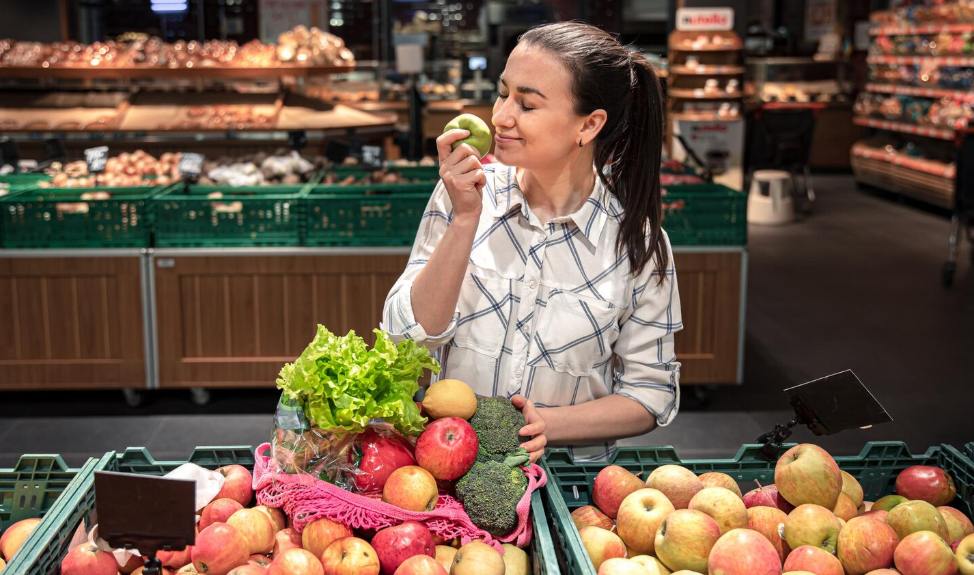
Chefs often inspect produce carefully instead of grabbing the first item they see. Look for firmness, color, aroma, and freshness rather than perfect cosmetic appearance.
A slightly ugly tomato can taste better than a flawless one. A fragrant melon may be a smarter pick than a larger but scentless one. Fresh herbs should look vibrant, not slimy or wilted.
They also buy what looks best that day. If asparagus looks tired but zucchini looks great, the menu changes. Flexibility is part of smart shopping.
Use the Freezer Strategically
Many home cooks underuse the freezer, but chefs know it can save money and maintain quality. Bread, herbs, stock, meat, cooked grains, and produce can all be frozen with good results.
If chicken is on sale, portion and freeze it. If bananas are getting too ripe, freeze them for smoothies or baking. If you made extra rice, freeze portions for future meals.
The freezer turns sales into future savings and leftovers into ready-to-use ingredients.
Read A Beginner’s Guide to Freezer Meal Planning for more ways to use your freezer well.
Read Labels With Purpose
Chefs are not automatically loyal to premium brands. They read labels and compare what matters: ingredients, weight, sodium, fat content, and price.
Store brands can be excellent for basics like flour, canned beans, frozen vegetables, pasta, and sugar. Some expensive labels mainly sell branding, not better food.
On the other hand, chefs may splurge on a few items where flavor matters most, such as olive oil, butter, cheese, coffee, or a favorite sauce. Save broadly, spend selectively.
Check The Ultimate Beginner’s Guide to Reading Food Labels for a closer look at what matters most.
Build Flavor Basics at Home
A chef’s pantry often includes items that make simple food taste better fast. Vinegar, mustard, soy sauce, garlic, onions, broth, herbs, citrus, and spices can transform low-cost ingredients.
Rice and vegetables taste more exciting with garlic and soy sauce. Beans become better with onion, cumin, and lime. Pasta sauce improves with olive oil and herbs.
This matters because budget cooking becomes sustainable when food still tastes satisfying.
Shop With a Plan, Then Stay Flexible
Chefs usually enter a store with a plan, but not a rigid script. They know a few meals they can make, then adjust based on price, freshness, and what looks best.
You can do the same. Plan tacos, pasta, and sheet-pan chicken, but switch the proteins or vegetables if another option is a better value that day.
That balance of preparation and adaptability is one of the most powerful grocery skills anyone can learn.
Compare The Best Grocery Apps for Saving Money and Time for shopping help.
Cook Smarter by Shopping Smarter
Better cooking often starts with better buying decisions. Choosing versatile ingredients, checking for freshness, using the freezer, and keeping flavor boosters on hand can improve meals right away.
You do not need chef knives or restaurant equipment to benefit from chef habits. Start in the grocery store, and your kitchen will feel easier, more creative, and more affordable.