In about two hours, you can build a full week of lunches that reduce takeout spending, save time on weekdays, and remove the daily question of what to eat.
Packing lunches for the week can save serious money, but many people abandon the idea because it feels like too much work.
The secret is not cooking five complicated meals. It is using one focused prep session to create simple, repeatable lunches that stay fresh and taste good.
Build Lunches From Components
The fastest lunch prep system starts with components instead of five separate recipes. Think in categories: protein, carb, vegetables, sauce, and extras.
Examples of proteins include chicken, turkey, tofu, beans, tuna, and boiled eggs. Carbs can be rice, pasta, potatoes, wraps, or quinoa. Vegetables may be roasted broccoli, peppers, carrots, cucumbers, greens, or frozen mixed vegetables.
Once these pieces are ready, you can mix and match bowls, wraps, salads, and snack-style lunches with very little effort.
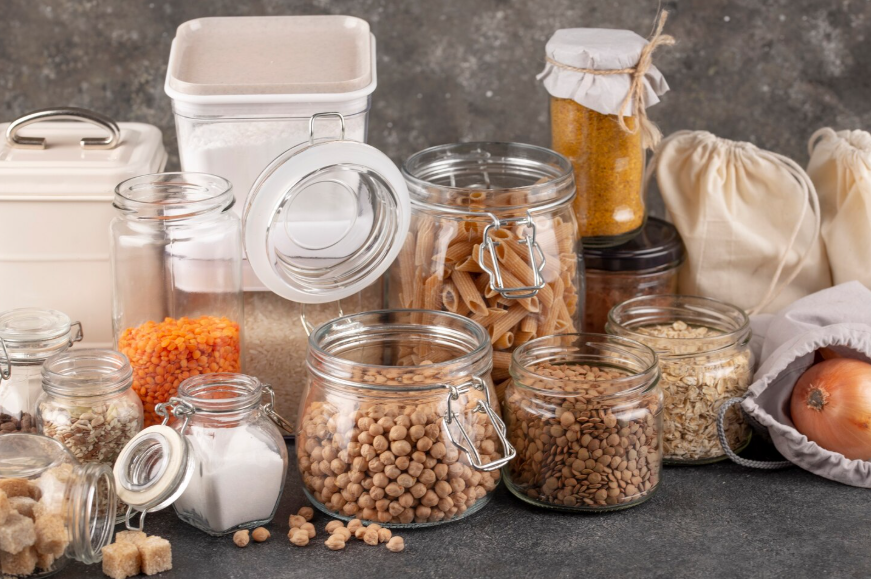
Explore 10 Meal Ideas Using Only Pantry Staples for simple lunch combinations.
What to Prep in Two Hours
A realistic two-hour session might include:
- Cooked protein: baked chicken or seasoned ground turkey
- Cooked carb: rice or pasta
- Roasted vegetables: broccoli, peppers, carrots
- Cold add-ins: cucumbers, spinach, cherry tomatoes
- Quick sauces: salsa, yogurt dressing, vinaigrette
- Snacks: fruit, nuts, yogurt, or hummus cups
This gives enough variety for multiple lunches without requiring a dozen ingredients or advanced cooking skills.
Choose foods you actually enjoy. The best lunch plan is the one you will eat consistently.
Read Meal Prep for Beginners: A Simple 3-Day System for easy prep ideas.
A Simple 2-Hour Timeline
0:00–0:15
Preheat the oven, start the rice or pasta, season the protein, and wash the vegetables.
0:15–0:45
Cook protein and roast vegetables. While they cook, they portion snacks and prep raw vegetables.
0:45–1:15
Check cooked items, cool ingredients slightly, and mix sauces or dressings.
1:15–2:00
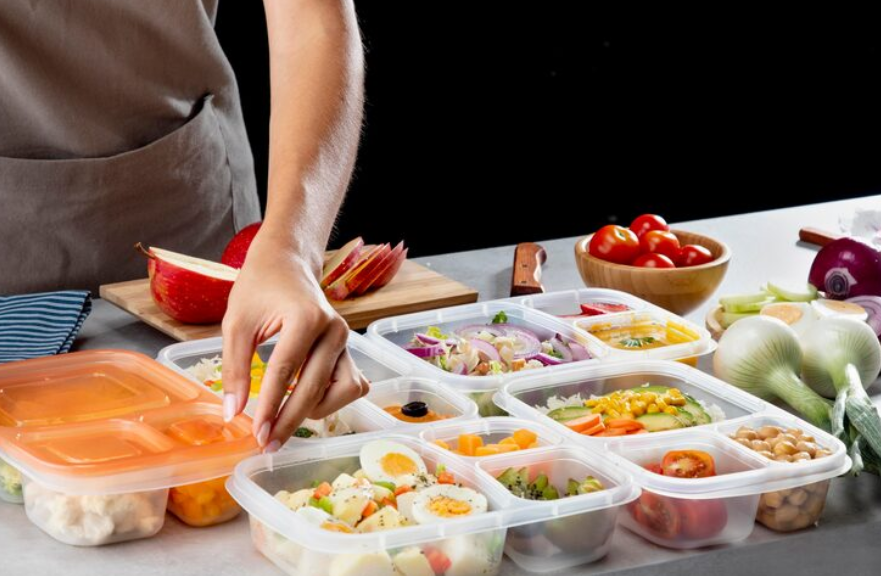
Assemble containers, label days if helpful, clean kitchen, refrigerate lunches.
Doing tasks in parallel is what saves time. While one item cooks, you prep the next.
Five Easy Lunch Ideas From One Prep Session
These simple lunch ideas show how one prep session can turn the same ingredients into different meals.
- Monday: Chicken rice bowl with broccoli and sauce
- Tuesday: Turkey wrap with peppers and spinach
- Wednesday: Pasta salad with vegetables and protein
- Thursday: Burrito bowl with rice, beans, salsa
- Friday: Snack box with eggs, fruit, veggies, hummus
The ingredients overlap, but changing the format keeps lunches from feeling repetitive.
Even one or two sauces can make the same base ingredients feel different across the week.
How to Keep Lunches Fresh
Some foods store better when assembled separately. Keep sauces in small containers and add them later. Greens stay fresher when kept dry until eating time.
If you prep five lunches at once, place the most delicate meals earlier in the week and sturdier meals later. Grain bowls often last longer than dressed salads.
Use clear containers when possible. Seeing ready lunches in the fridge increases the chance you’ll grab them instead of ordering food.
Check The Best Containers for Meal Prep (Tested & Ranked) for better storage.
Save Money Without Feeling Restricted
The average lunch bill when dining out adds up quickly over a month. Home-prepped lunches often cost a fraction of that, especially when built from grocery staples.
But this is not only about money. It is about convenience, energy, and reducing weekday decision fatigue. When lunch is already taken care of, another part of the day becomes easier.
You do not need gourmet meal-prep photos or perfectly portioned meals. You need reliable lunches that fit real life.
Make Lunch Prep a Weekly Advantage
A two-hour prep session can buy back time all week. Instead of scrambling each morning or overspending midday, you already have a ready answer.
Start simple: one protein, one carb, vegetables, and a few containers. Once that becomes routine, you can add more variety over time.
The biggest win is consistency. A practical lunch system beats an ambitious plan you never follow through on.
See How to Cook Once and Eat All Week for a similar system.