If you know where organic matters most, you can protect your budget and still shop with confidence.
Organic food can seem like the obvious healthier choice, but buying everything organic isn’t realistic for most budgets. The smarter approach is selective spending.
Some foods may be worth buying organic because of how they are grown or because you eat them often with the skin on. Other items usually offer less value from the upgrade and can be purchased conventionally without much concern.
What “Organic” Actually Means
Organic labels generally indicate that foods are produced under specific farming standards. These standards often limit the use of certain synthetic pesticides, fertilizers, and genetically engineered ingredients. For many shoppers, the appeal is as much about farming practices as about nutrition.
However, organic does not automatically mean healthier, lower calorie, or dramatically more nutritious. A cookie made with organic sugar is still a cookie. Organic chips are still chips.
That is why the best question is not “Should I buy organic?” but “Which organic purchases give me the most value?”
Check How to Build a $75 Weekly Grocery List for a Family for budget-friendly planning.
Foods Often Worth Buying Organic
Thin-skinned produce that is eaten whole is where many shoppers choose to prioritize organic. Items like strawberries, spinach, apples, grapes, peaches, and bell peppers are common examples.
These foods are often consumed frequently and may be harder to peel or wash thoroughly compared with thick-skinned produce. If organic matters to you, this category can be a strategic place to focus.
Organic dairy, eggs, or meat may also matter to shoppers who care about animal feed, farming methods, or ingredient standards. These choices are often personal-value decisions as much as nutrition decisions.
Explore How to Shop Seasonally and Save Big on Produce for smarter produce choices.
Foods You Can Often Skip Organic On
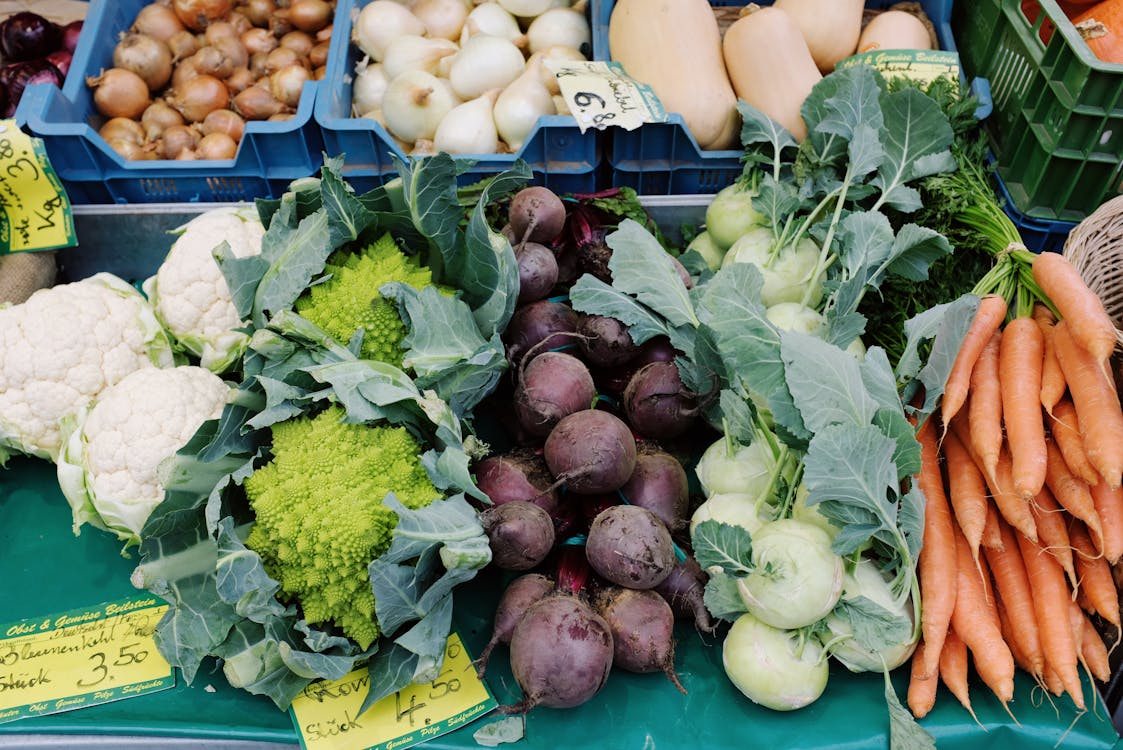
Many conventional foods can be smart buys, especially when the edible portion is protected by a peel or outer layer. Bananas, avocados, oranges, pineapples, onions, and sweet corn are common examples.
If you remove the peel or outer skin before eating, many shoppers feel comfortable buying conventional versions to save money.
Processed foods are another category where paying extra for organic may offer less practical value. Organic crackers, sugary cereal, frozen desserts, and snack foods can still be expensive convenience items with similar nutrition concerns.
Read Store Brand vs Name Brand: What’s Actually Worth It? for better grocery value.
How to Shop Organic Without Overspending
You do not need an all-or-nothing mindset. Buy a few priority organic items and purchase the rest conventionally. This keeps costs under control while aligning with your preferences.
Frozen organic produce can also be a strong value. It is often cheaper than fresh organic produce, lasts longer, and helps reduce waste. If fresh berries are expensive, frozen organic berries may be the better buy.
Shop sales and store brands, too. Many retailers now offer private-label organic lines that cost less than premium national brands.
What Matters More Than Organic Labels
Eating more fruits and vegetables matters more than whether every item is organic. A conventionally grown apple you actually eat is more valuable than expensive produce that spoils in the fridge.
Cooking at home, eating balanced meals, reducing food waste, and buying foods your household enjoys often have a bigger real-world impact than chasing labels alone.
Clean produce well, store it properly, and focus on consistency. Healthy habits usually outperform perfect shopping rules.
See The Ultimate Beginner’s Guide to Reading Food Labels for smarter label decisions.
Build a Personalized Organic Strategy
The best grocery plan fits your budget, priorities, and lifestyle. Some households may prioritize organic berries and eggs. Others may skip organic entirely and focus on affordability and meal prep.
There is no single correct cart. The goal is thoughtful spending, not guilt. When you know where organic purchases matter most to you, it becomes easier to shop intentionally instead of emotionally.
That balance, making better choices without budget burnout, is what sustainable grocery shopping really looks like.