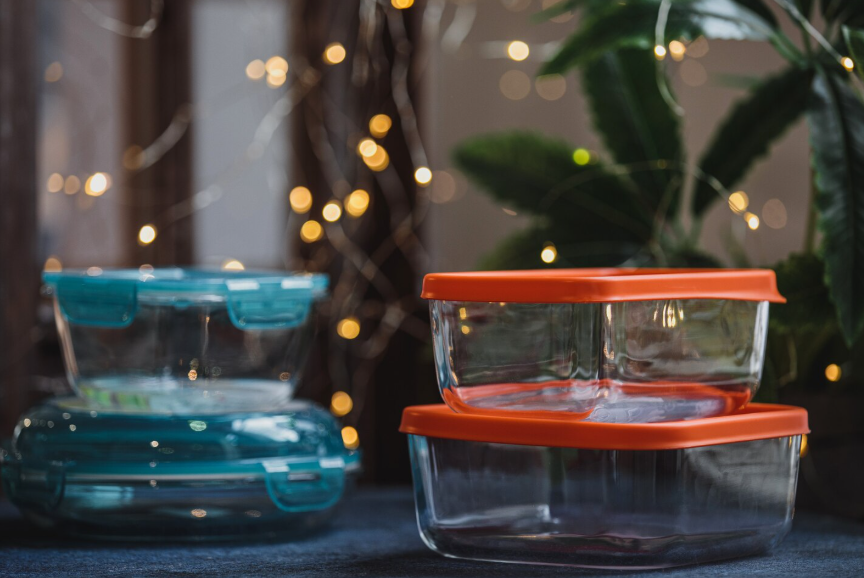
The best meal prep containers depend on how you eat, how often you reheat food, and how much storage space you actually have.
Meal prep gets most of the attention, but containers can make or break the system. The wrong container leaks, stains, stacks poorly, or makes leftovers feel unappealing.
The right one saves space, keeps food fresher, and makes grabbing meals effortless. You do not need an expensive matching set, but choosing the right type for your routine matters.
What Makes a Good Meal Prep Container
A strong container should seal well, clean easily, and fit your typical meals. If lids pop off in a bag or sauce leaks in the fridge, the system breaks fast.
Stackability matters too. Containers that nest or stack neatly save cabinet and fridge space. Clear sides are also helpful because you can see what is ready to eat.
Think about microwave use, freezer use, and dishwasher safety. A container that matches your habits will be used more consistently than one that only looks good online.
Explore Meal Prep for Beginners: A Simple 3-Day System for an easier prep routine.
Ranked by Best Use Case
Different containers solve different problems, so the best choice depends on what you prep, store, and reheat most often.
- Glass Rectangular Containers – Best overall for reheating and durability. Great for lunches, leftovers, and oven-safe convenience. Heavier but long-lasting.
- BPA-Free Plastic Containers – Best for portability and low cost. Lightweight and practical for work lunches or large batch prep.
- Round Soup Containers – Best for soups, chili, sauces, and stews. Easy to stack and freezer-friendly.
- Compartment Containers – Best for portioned meals and keeping foods separate. Helpful for lunches with multiple sides.
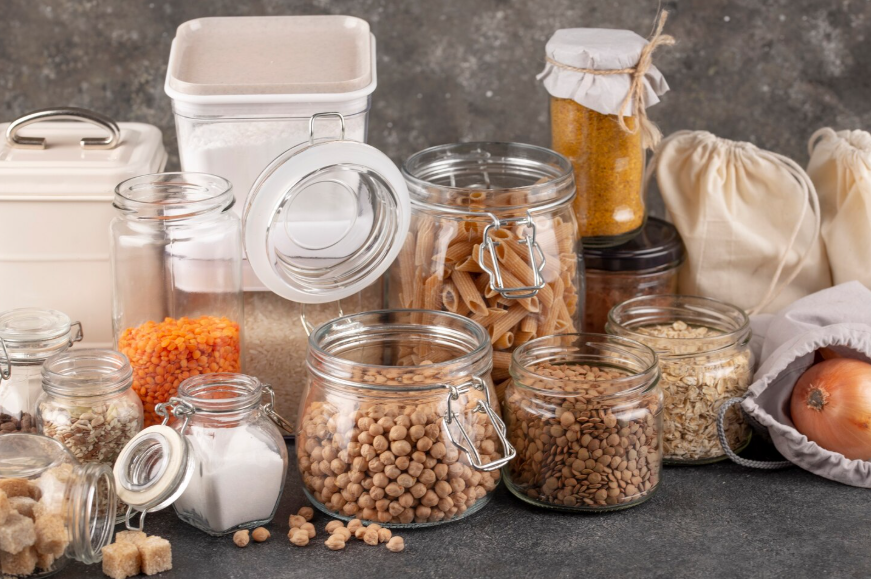
- Mason Jars – Best for overnight oats, salads, dressings, and snacks. Great visibility and versatile storage.
No single type wins every category. Many households do best with a mix.
Glass vs Plastic: Which Should You Choose?
Glass containers are excellent for reheating because they resist staining and odors better than many plastics. They often feel sturdier and can last for years.
Plastic containers are lighter, cheaper, and easier to carry. If you commute, send lunches with kids, or need many containers at once, plastic may be the practical choice.
A hybrid setup works well for many people: glass at home, plastic on the go.
Read How to Prep a Week of Lunches in 2 Hours for practical lunch prep ideas.
Best Sizes to Own
Owning ten random sizes can create lid chaos. It is usually smarter to standardize around a few useful sizes.
Small containers work well for sauces, dips, nuts, and fruit. Medium containers are ideal for lunches and leftovers. Larger containers are helpful for batch-cooked proteins, pasta, rice, or chopped vegetables.
Buying repeat sizes also makes stacking easier and helps lids stay interchangeable.
Check Kitchen Organization Hacks That Make Cooking Easier for smarter kitchen storage.
Common Mistakes to Avoid
Do not buy a giant set before knowing what you need. Many people end up with shapes they never use.
Avoid containers that are hard to clean or that cannot be fully dried. Frustrating tools rarely become habits.
Also consider your fridge shelves. Tall containers may waste vertical space, while wide shallow ones can cool faster and stack better.
The best setup is practical, not perfect.
Build a Container System That Supports Real Life
If you prep breakfasts, buy jars or small containers. If you carry lunches daily, prioritize leak-resistant portable options. If you batch-cook dinners, choose larger stackable containers.
Containers are not just storage; they are part of your routine. Easy access increases the chance you use what you prepped.
Even upgrading a few key pieces can make meal prep feel smoother immediately.
See How to Cook Once and Eat All Week for a simple weekly system.
Good Containers Remove Friction
Meal prep succeeds when the next step is easy. A clean, ready container turns cooked food into tomorrow’s lunch in seconds.
You do not need the most expensive set or influencer-approved kitchen shelves. You need containers that fit your food, your space, and your habits.
Choose a function, and your meal prep system becomes much easier to maintain.