The best ways to store fresh produce can dramatically extend its freshness, preserve its texture, and help you actually eat what you buy. A smarter storage system saves money every single week.
Fresh produce is one of the healthiest items in a grocery cart, but it is also one of the easiest to lose money on. Fruits and vegetables that spoil before you use them turn good intentions into wasted groceries. The solution is not to buy less produce; it is to store it better.
Why Produce Spoils So Fast
Produce is alive even after harvest. It continues to release moisture and natural gases as it reacts to temperature, airflow, and humidity.
That means one storage method does not fit everything. Some items need cold temperatures. Others do better at room temperature. Some need airflow, while others need moisture control.
When produce is stored incorrectly, it softens, molds, dries out, or loses flavor more quickly than it should.
Explore Kitchen Organization Hacks That Make Cooking Easier for a better fridge setup.
Best Produce to Refrigerate
Many vegetables last longer in the fridge, especially leafy or delicate items. Before storage, the FDA recommends produce safety tips to avoid foodborne illnesses.
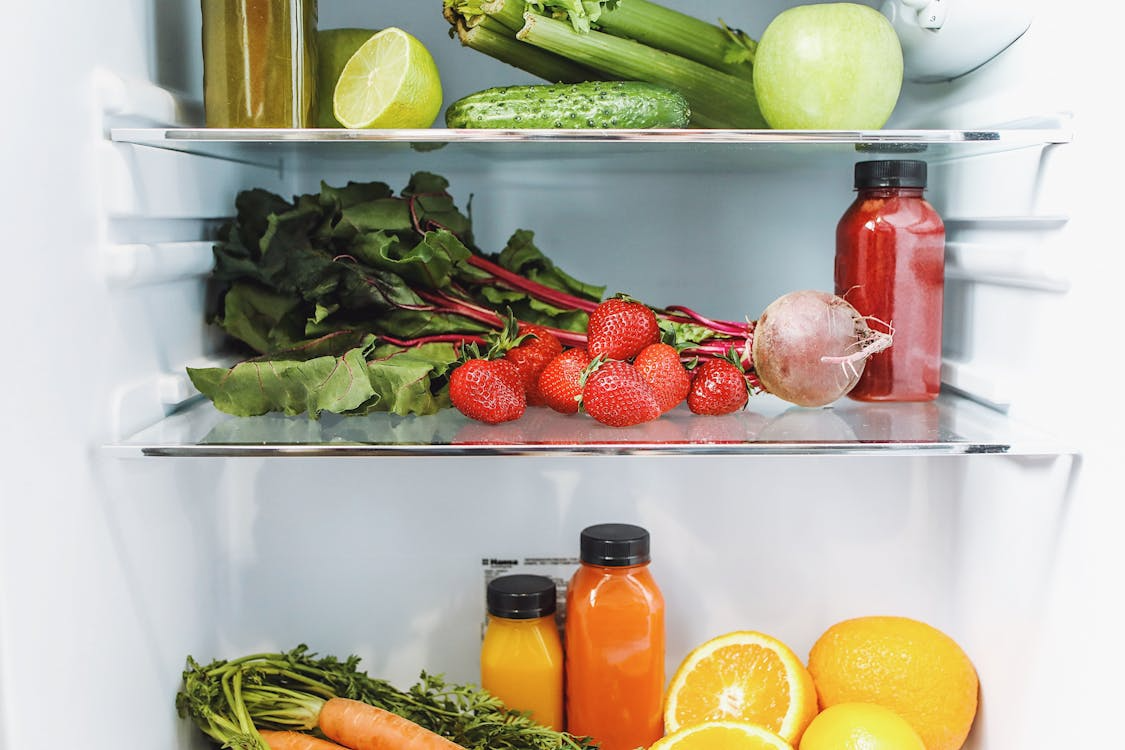
Store these refrigerated: spinach, lettuce, broccoli, carrots, celery, cucumbers, berries, grapes, herbs, and peppers.
Use breathable bags, produce drawers, or containers lined with paper towels to manage moisture. Too much trapped moisture can speed spoilage, especially for greens and berries.
Keep herbs upright in a jar with water when possible, like flowers, then loosely cover them.
Best Produce at Room Temperature
Some produce tastes better and lasts longer outside the fridge until ripe.
Keep these on the counter: bananas, tomatoes, avocados, onions, garlic, potatoes, citrus, and stone fruit like peaches.
Once avocados or peaches ripen, you can refrigerate them briefly to extend their usable window.
Do not store onions and potatoes pressed together. They can shorten each other’s shelf life.
Wash Now or Later?
For many items, washing right before use is safest for shelf life. Extra moisture can speed spoilage.
However, if washing produce in advance helps you actually eat it, prep can still be worth it. Just dry items thoroughly before storing.
A practical middle ground is to wash sturdy items like grapes or carrots for snacks, while leaving delicate berries and greens unwashed until needed.
The best system balances freshness with convenience.
Read How to Shop Seasonally and Save Big on Produce for smarter produce buying.
Use Visibility to Reduce Waste
Many people lose produce simply because they forget it exists. A cucumber hidden behind leftovers might as well not be there.
Store ready-to-eat produce where you can see it. Keep cut fruit at eye level. Place the vegetables for tonight’s dinner in front. Move older items forward.
Clear containers can help because they remove the mystery of what is inside.
Check How to Turn Leftovers Into New Meals for more waste-cutting ideas.
Freeze Before It Is Too Late
If produce is nearing the end of its life, freezing can preserve its value.
Freeze bananas for smoothies, berries for oatmeal, spinach for soups, peppers for cooking, or herbs in oil or water trays.
You do not need to save every limp vegetable, but catching produce early prevents waste and future grocery spending.
Buy for the Week You Actually Have
Storage helps, but realistic buying matters too. If you know the week is busy, buy fewer delicate greens and more durable produce like carrots, apples, cabbage, and frozen vegetables.
Match perishability to your schedule. Save berries and salads for weeks when you know they will get used quickly.
Good storage and realistic shopping go hand in hand.
See How to Grocery Shop for the Week in Under 30 Minutes for smarter weekly planning.
Freshness Is a System
Produce lasting longer is rarely about luck. It comes from temperature, placement, timing, and habits.
Store each item where it does best, keep produce visible, and freeze extras before they spoil. Those small changes can turn expensive waste into food you actually enjoy.
That is one of the easiest grocery wins available.