At its core, batch cooking for beginners means doing more work once, so you have less work later. The right strategy can save hours each week, reduce takeout temptation, and make dinner easier on your busiest days.
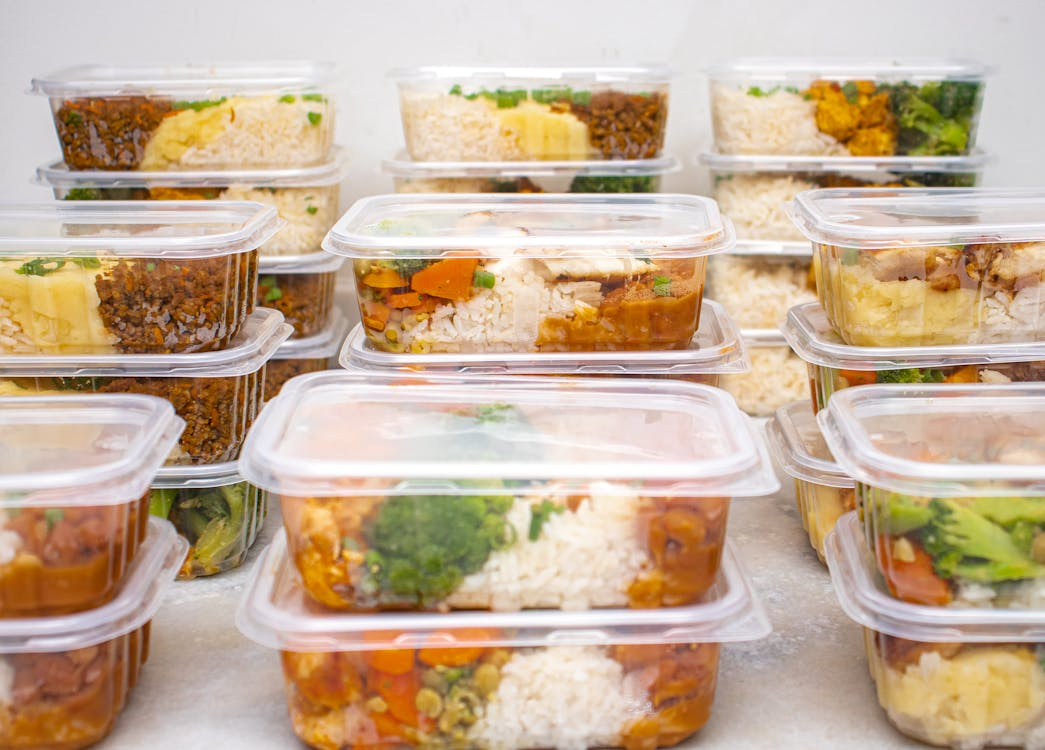
Many people think batch cooking means spending an entire Sunday making identical meals in plastic containers. That version works for some, but it is not the only way.
You do not need perfection or gourmet recipes, just a system that fits real life.
1. Cook Base Ingredients in Bulk
One of the easiest batch cooking methods is preparing foundational foods that can be reused in multiple meals.
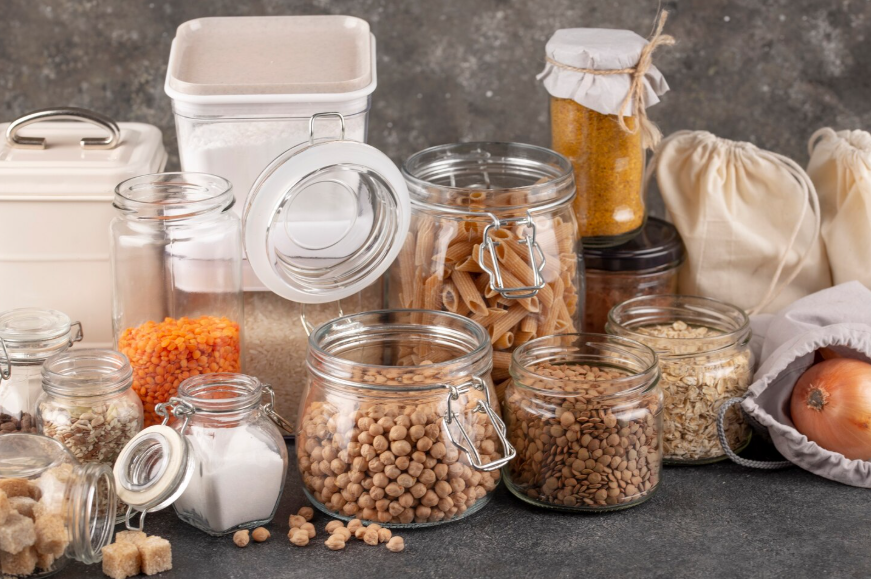
Cook a large pot of rice, quinoa, pasta, or roasted potatoes. Make a tray of chicken, ground turkey, tofu, or beans. Wash and chop vegetables while those cook.
These ingredients can be used to make bowls, tacos, salads, stir-fries, wraps, or side dishes throughout the week.
Instead of cooking full meals from scratch every night, you assemble from prepared parts.
See How to Cook Once and Eat All Week for a similar strategy.
2. Double What You Already Make
You do not need separate batch-cooking days. Make extra whenever you cook.
If you are making chili, double the recipe. For roasting vegetables, fill a second tray. If cooking chicken, prepare enough for tomorrow’s lunch too.
This method works because it requires very little extra effort while automatically creating future meals.
It is one of the most beginner-friendly ways to start.
3. Use One Recipe Multiple Ways
A single batch can create different meals when used creatively.
For example, shredded chicken becomes tacos one night, grain bowls the next, and soup later in the week. Cooked ground meat can be used to make pasta sauce, burritos, or stuffed peppers.
Changing the format and flavor prevents boredom while keeping prep efficient.
This strategy helps meals feel fresh even when the base ingredient repeats.
Read How to Turn Leftovers Into New Meals for more ideas.
4. Freeze Extra Portions for Later
Not every batch needs to be eaten the same week. Freezing portions creates a long-term advantage.
Soups, sauces, meatballs, cooked rice, taco meat, and casseroles often freeze well, and USDA leftover storage guidelines note that most leftovers keep for 3 to 4 days in the refrigerator or 3 to 4 months in the freezer.
. Label containers with the date and contents.
Future-you benefits when busy nights arrive, and dinner is already halfway solved.
A stocked freezer is one of the best outcomes of consistent batch cooking.
Check A Beginner’s Guide to Freezer Meal Planning for more freezer prep help.
5. Batch the Small Tasks Too
Batch cooking is not only about full dishes. Small prep tasks can save surprising amounts of time.
Wash fruit, chop onions, shred cheese, mix dressings, boil eggs, portion snacks, or marinate proteins in advance.
These micro-preps reduce friction during the week. Dinner feels easier when several annoying steps are already done.
Often, it is the little tasks that stop people from cooking at all.
How to Choose the Right Strategy
You do not need all five methods at once. Choose the one that solves your biggest problem.
- No time on weeknights? Cook base ingredients.
- Hate extra prep days? Double recipes.
- Get bored easily? Reuse ingredients in different meals.
- Need emergency dinners? Freeze portions.
- Struggle to start cooking? Batch small tasks.
Start where the friction is highest.
Save Time Without Losing Flexibility
The best batch-cooking systems offer options, not rigid schedules. You should feel more flexible, not trapped by food containers you no longer want.
That is why components, leftovers, and freezer portions often work better than five identical meals.
A little work upfront can buy back hours later—and make homemade food much easier to maintain.
Browse Kitchen Organization Hacks That Make Cooking Easier for another helpful upgrade.
Build a Smarter Week
Batch cooking for beginners is less about cooking skill and more about leverage. Do something once, benefit multiple times.
Choose one strategy this week and test it. Even a pot of rice, extra chicken, or chopped vegetables can make the next few days noticeably easier.
Small systems repeated consistently often create the biggest results.