Desserts You Can Make With 5 Ingredients or Less

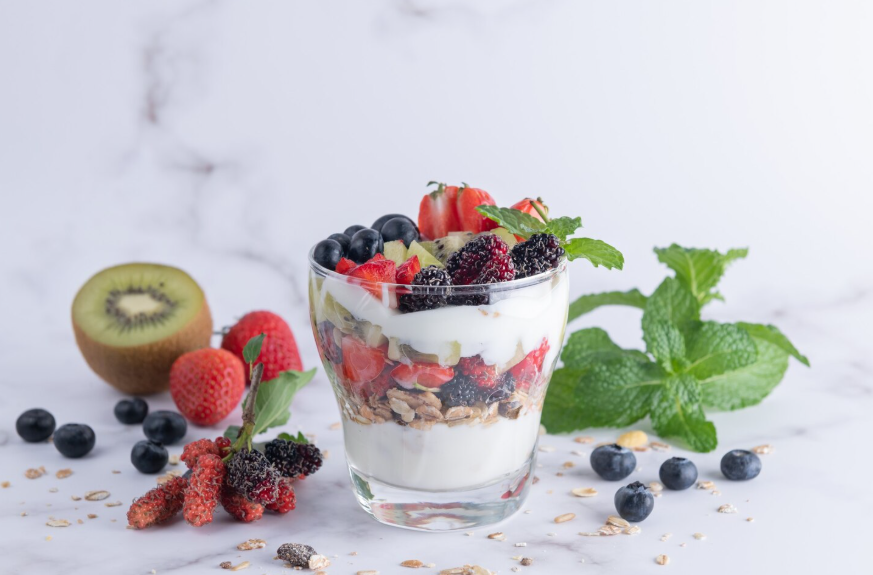
With a few smart combinations, five ingredients or fewer can create satisfying desserts that feel homemade without the hassle.

Dessert does not need to mean a long recipe, specialty baking tools, or a grocery run for ten ingredients you will never use again. Some of the best sweet treats are simple, quick, and made from basics already in the kitchen.

When dessert is easy, it becomes more realistic for everyday enjoyment rather than something reserved for special occasions. 

Why Simple Desserts Work

Simple desserts lower the barrier to baking or making something sweet at home. Fewer ingredients usually mean less cost, less prep, and less cleanup.

They are also easier to repeat. A five-ingredient dessert you can remember and make confidently is often more valuable than a complex recipe you never attempt again.

Another benefit is flexibility. Once you know a few formulas, you can easily swap flavors and ingredients.

Explore 15 Snacks That Are Better Than Store-Bought for more easy homemade ideas.

10 Easy Desserts With 5 Ingredients or Less

These easy dessert recipes keep homemade treats simple with quick ideas that use basic ingredients and very little effort.

  1. Chocolate-dipped bananas – Bananas, melted chocolate.
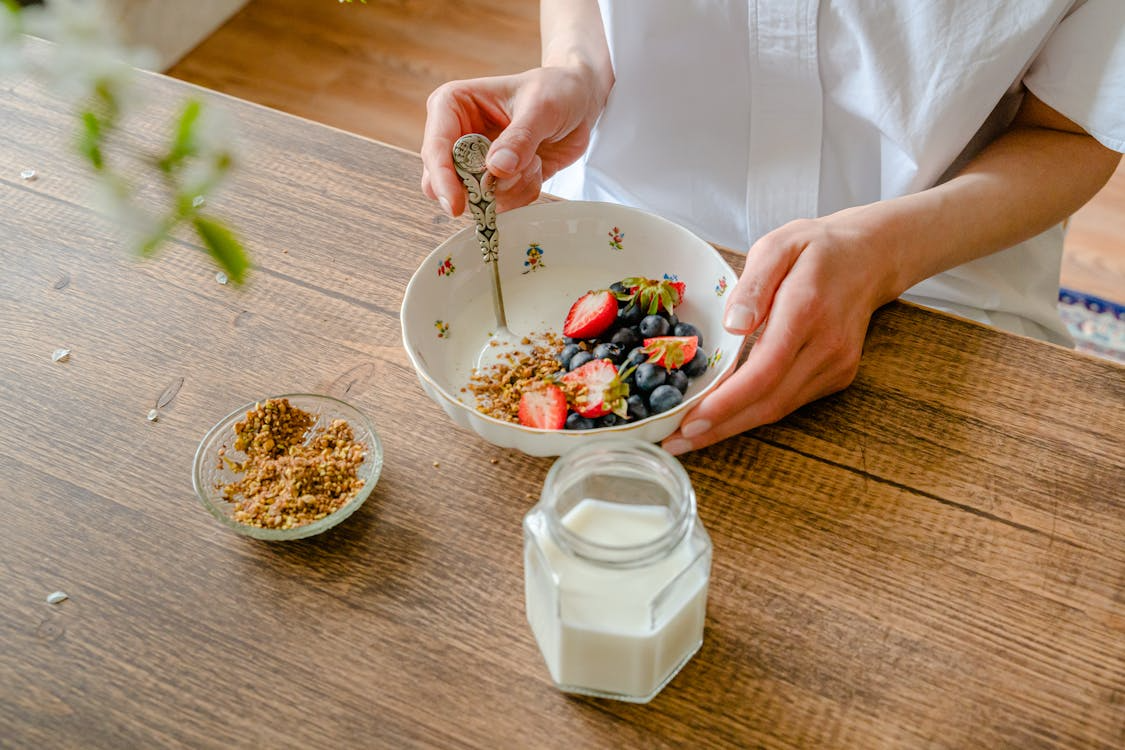
  2. Yogurt parfait – Yogurt, fruit, granola.
  3. Peanut butter oat bites – Oats, peanut butter, honey, and optional chocolate chips.
  4. Berry crumble cups – Berries, oats, butter, sugar.
  5. Mug brownie – Cocoa, flour, sugar, milk, oil.
  6. Frozen yogurt bark – Yogurt, fruit, and honey.
  7. Cinnamon sugar toast – Bread, butter, cinnamon, sugar.
  8. No-bake energy balls – Oats, nut butter, honey, and seeds.
  9. Fruit and whipped cream bowls – Fruit, whipped topping, or whipped cream.
  10. Ice cream cookie sandwiches – Ice cream, cookies.

These are fast and great for beginner dessert makers.

Pantry Staples for Quick Desserts

Keeping a few basics on hand makes it easy to make desserts anytime.

Useful staples include oats, cocoa powder, flour, sugar, honey, peanut butter, chocolate chips, cinnamon, vanilla, and frozen fruit.

With these ingredients plus dairy or fresh fruit, many desserts are already within reach.

This is often cheaper than buying premium packaged treats regularly.

Check 10 Pantry Staples You Should Always Have on Hand for useful dessert basics.

Make Desserts Feel Special

Even simple desserts can feel elevated with small touches.

Serve yogurt parfaits in clear glasses. Add cinnamon to fruit bowls. Drizzle melted chocolate over banana slices. Warm berry crumble slightly before serving.

Presentation and temperature can change the experience without changing the recipe.

Simple does not have to feel plain.

Great for Families and Busy Nights

Quick desserts are useful when you want something sweet without a full baking project.

They also work well with kids because many recipes are easy to assemble and forgiving. Stirring oats, layering parfaits, or dipping bananas can be fun, low-stress kitchen tasks.

That turns dessert into both an activity and a treat.

See 10 Make-Ahead Breakfasts for Busy Mornings for more simple kitchen ideas.

Portion-Friendly and Budget-Friendly

Homemade simple desserts can help with both cost and portion control. You make enough for the moment instead of buying large packages that disappear quickly.

Single-serve mug brownies or small parfaits are good examples. They satisfy the craving without requiring excess leftovers.

That balance works well for many households.

Read Budget-Friendly Meals That Taste Expensive for more smart, low-cost ideas.

Sweet Does Not Need to Be Complicated

Dessert often feels harder than it really is. In truth, a few ingredients and five minutes can go a long way.

Choose one or two favorites from this list and keep the ingredients stocked. When the craving hits, something homemade can be closer than a run to the store.

Sometimes the best dessert is simply the easiest one you’ll actually make.
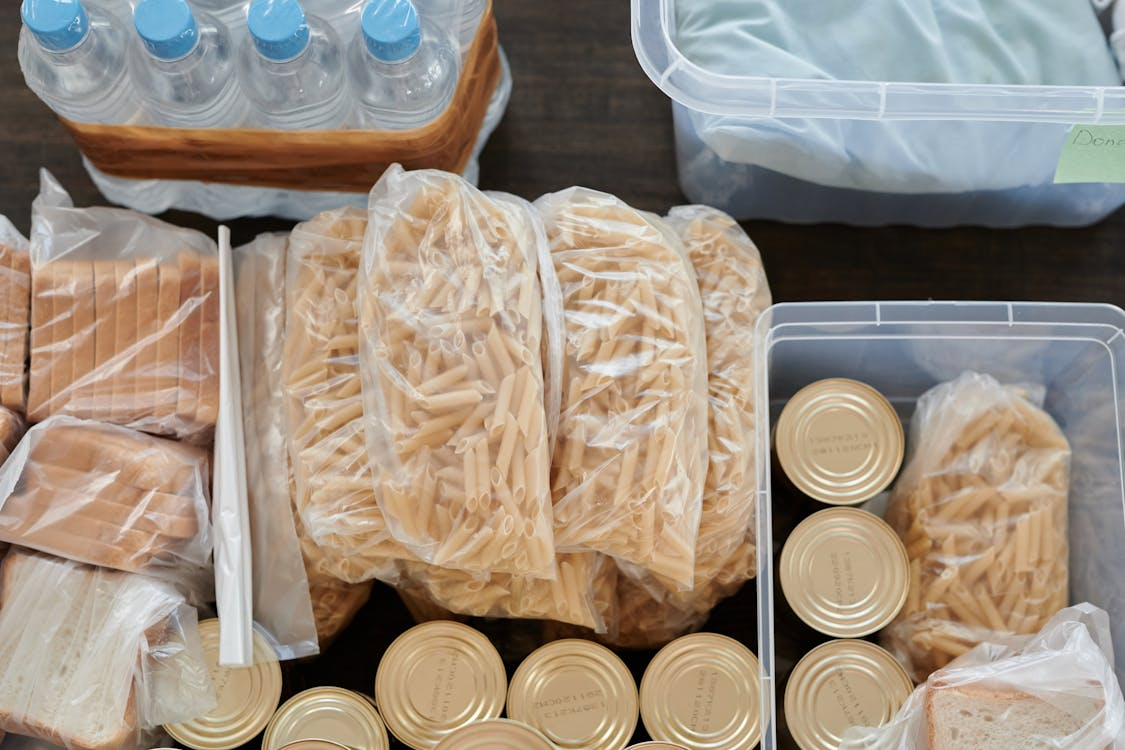
Bulk Buying 101: When It Saves Money (and When It Doesn’t)

The key is understanding when buying more lowers your real cost and when it simply increases your spending today. Bulk buying works best when it is intentional, not automatic.

Buying in bulk can feel like the ultimate smart shopper move. Bigger packages, warehouse clubs, and “family size” labels all suggest better value. Sometimes that is true. Other times, bulk buying leads to wasted food, cluttered storage, and a higher grocery bill disguised as savings. 

When Bulk Buying Usually Saves Money

Bulk buying tends to work best for items you use regularly, store easily, and finish before they expire. Pantry basics like rice, oats, pasta, flour, canned goods, peanut butter, and cooking oil are common examples.

Household supplies can also be strong bulk buys. Toilet paper, laundry detergent, dish soap, and trash bags are often cheaper per unit in larger quantities.

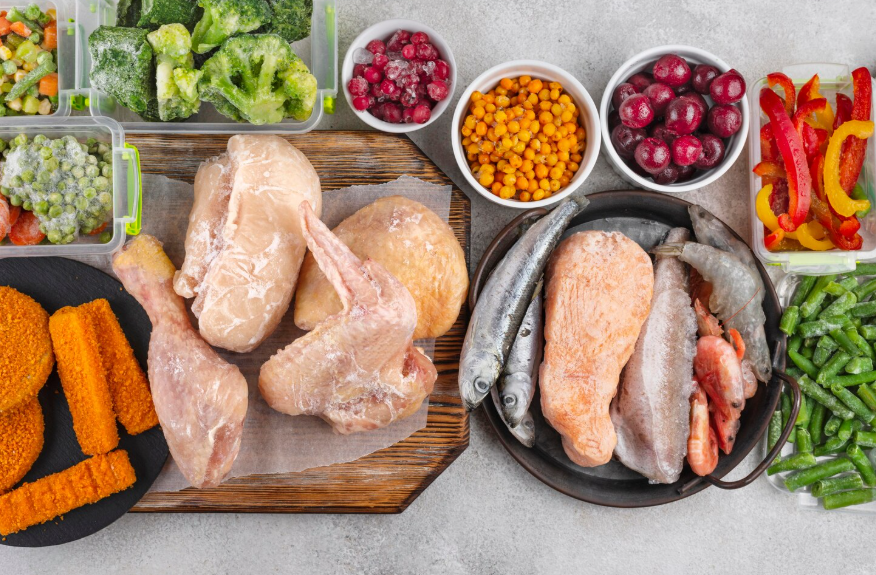
Freezer-friendly foods may offer savings, too. Frozen vegetables, frozen fruit, meat bought on sale, and bread stored in the freezer can reduce future grocery costs if you have the space.

The pattern is simple: frequent use plus long shelf life equals better odds of real savings.

Explore 10 Pantry Staples You Should Always Have on Hand for smart bulk basics.

When Bulk Buying Does Not Save Money

Bulk fails when products go bad before you use them. A giant container of spinach, a massive tub of dip, or oversized bakery items can become a waste of money.

It also fails when buying more causes overconsumption. If a huge snack box disappears twice as fast because it is always available, the lower unit price may not matter.

Another trap is buying unfamiliar items just because the deal looks good. Saving money on something your household does not enjoy is not savings at all.

Large purchases can also strain the weekly budget. Spending extra now for future value only works if cash flow allows it.

Check How to Avoid Impulse Buys at the Grocery Store for better shopping habits.

Always Check the Unit Price

The most useful bulk shopping tool is the unit price. This shelf label compares costs per ounce, per pound, per sheet, or per serving.

A larger package is not always cheaper. Promotions, brand pricing, and packaging tricks can make medium sizes a better deal than jumbo sizes.

Take a few seconds to compare. If the family-size cereal costs more per ounce than the regular box on sale, the bigger package is not the smarter buy.

Unit pricing turns “looks like a deal” into actual math.

Smart Bulk Categories to Prioritize

If you want to start small, focus on categories with the highest success rate:

  • Pantry staples: rice, beans, oats, pasta
  • Freezer items: vegetables, fruit, chicken, bread
  • Household goods: paper products, soap, detergent
  • Frequently used snacks: only if portioned well
  • Lunch basics: tortillas, peanut butter, crackers

These categories usually combine practical storage with consistent usage, which is where bulk shines.

Skip bulk produce and perishables unless you already know your household finishes them quickly.

Compare Store Brand vs Name Brand: What’s Actually Worth It? for smarter comparisons.

How to Bulk Buy Without Creating Chaos

Bulk savings disappear fast when your kitchen becomes disorganized. Repackage large items into smaller containers, label dates, and store products where you can actually see them.

Freeze portions when possible. Divide meat into meal-size bags or separate bread into smaller amounts before freezing.

Keep an inventory list for deep pantry or freezer items. Many people rebuy products simply because they forgot they already had them.

The goal is access, not just ownership.

Read Kitchen Organization Hacks That Make Cooking Easier for easier storage systems.

Buy More of What You Use, Not What Is Popular

Bulk buying is not about purchasing the biggest package in the store. It is about buying more of the right things at the right time.

If your family uses oats every week, bulk oats make sense. If nobody likes hummus, the giant tub does not. Your habits matter more than generic shopping advice.

Done well, bulk buying can reduce costs, prevent extra trips, and create a more stable kitchen system. Done poorly, it just creates expensive clutter.

Budget-Friendly Meals That Taste Expensive

When you learn how to build flavor and use simple ingredients well, budget meals that taste expensive stop feeling like a compromise and start feeling like a skill.

Great meals do not have to come with a high grocery bill. Some of the most satisfying dishes feel restaurant-worthy because of technique, flavor balance, and presentation, not expensive ingredients. 

A few smart choices can turn affordable staples into meals that taste far more luxurious than they cost. 

What Makes Food Taste Expensive?

People often associate expensive food with rich flavor, good texture, freshness, and thoughtful presentation. None of those require premium ingredients.

Caramelized onions, crisp roasted vegetables, creamy sauces, fresh herbs, and balanced seasoning can elevate low-cost foods immediately.

Even plating matters. Serving pasta in bowls with a garnish feels different than dropping it on a plate straight from the pan.

The goal is not to pretend cheap food is luxury food. It is maximizing what simple ingredients can become.

Explore 10 Comfort Foods You Can Make Healthier for more upgraded meal ideas.

10 Budget Meals With Premium Energy

These budget meals that taste expensive use affordable ingredients and simple techniques to create dinners that feel more special.

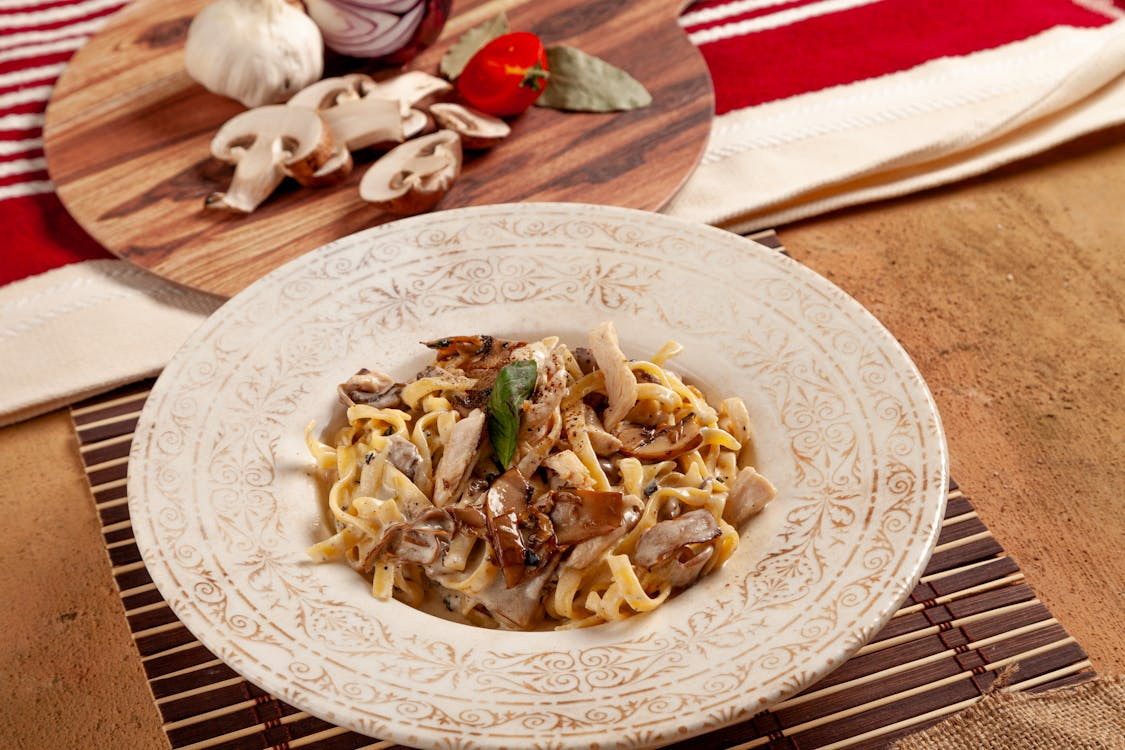
  1. Creamy mushroom pasta – Mushrooms, garlic, pasta, cream or yogurt.
  2. Roasted chicken thighs with potatoes – Crispy skin and simple seasoning.
  3. Tomato basil soup with grilled cheese – Comfort with café vibes.
  4. Risotto-style rice – Use regular rice with broth and patience.
  5. Garlic butter beans on toast – Rich flavor from pantry basics.
  6. Sheet pan sausage and vegetables – Colorful and satisfying.
  7. Shakshuka – Eggs in spiced tomato sauce.
  8. Lemon herb pasta with spinach – Bright, fresh, and fast.
  9. Loaded baked potatoes – Crisp skin, creamy center, flavorful toppings.
  10. Homemade flatbread pizzas – Custom and crowd-pleasing.

Check 10 One-Pot Meals That Make Cleanup Easy for simple meals with strong flavor.

Low-Cost Upgrades That Change Everything

A few affordable ingredients can transform many meals:

  • Garlic
  • Onions
  • Lemon
  • Fresh herbs
  • Butter
  • Parmesan
  • Yogurt
  • Mustard
  • Soy sauce
  • Good bread

You do not need all of them every week. Even one or two flavor boosters can make simple meals feel far more complete.

This is often smarter than buying expensive centerpieces.

See 10 Pantry Staples You Should Always Have on Hand for versatile flavor basics.

Techniques Matter More Than Price

Roasting adds sweetness and depth to vegetables. Browning meat creates a richer flavor. Deglazing a pan with broth or lemon lifts hidden flavor into sauces.

Seasoning in layers also matters. Salting only at the end often tastes flat compared with seasoning as you cook.

Texture creates contrast, too. Crispy potatoes with creamy yogurt sauce feel more interesting than soft food alone.

These are chef-style wins available to any budget cook.

Presentation on a Budget

How food looks affects how it feels. A bowl topped with herbs, cracked pepper, or a drizzle of sauce can feel more intentional immediately.

Use plates or bowls that fit the meal. Wipe messy edges. Add color when possible through greens, herbs, or vegetables.

None of this changes the grocery bill, but it can change the experience.

That matters when trying to enjoy budget meals rather than merely tolerate them.

Stretch Ingredients Without Feeling Cheap

Use meat as part of the dish instead of the whole dish. A little sausage in pasta or chicken in a rice bowl can go a long way when paired with vegetables and grains.

Lean on pantry staples like beans, pasta, rice, potatoes, and eggs. They are affordable foundations that welcome stronger flavors.

Budget cooking feels hardest when meals seem sparse. It feels easier when meals feel complete.

Read 12 Crowd-Pleasing Dishes for Gatherings and Potlucks for ideas that stretch ingredients well.

Smart Cooking Beats Expensive Shopping

You do not need premium grocery hauls to eat well. Many expensive meals rely on the same cooking principles available at any budget: flavor, texture, freshness, and care.

Choose a few reliable recipes, keep flavor boosters on hand, and practice simple techniques. The results can feel far more expensive than the receipt suggests.

Sometimes the real luxury is knowing how to cook well with less.

A Beginner’s Guide to Freezer Meal Planning

Freezer meal planning for beginners helps you cook once, save time, and keep backup options ready for busy or exhausting days. 

Freezer meal planning can sound like something only highly organized people do with color-coded labels and a second garage freezer.

In reality, it can be simple, practical, and one of the easiest ways to reduce stress around dinner. You do not need a massive prep day to benefit, just a few smart habits and beginner-friendly meals.

What Freezer Meal Planning Really Means

Freezer meal planning is simply preparing food now so that the future you has less work later. That might mean fully cooked meals, partially prepped ingredients, or ready-to-cook freezer packs.

Some people imagine stacking thirty identical casseroles. That is one option, but not the only one. Freezer planning can be as small as freezing two portions of chili or extra cooked chicken after dinner.

The goal is convenience and flexibility, not perfection.

Explore 5 Batch Cooking Strategies That Save Hours Every Week for a time-saving approach.

Best Beginner Freezer Meals

Start with foods that freeze well and reheat easily. Good beginner choices include:

  • Chili
  • Soup
  • Cooked taco meat
  • Pasta sauce
  • Meatballs
  • Cooked rice
  • Breakfast burritos
  • Marinated chicken
  • Shredded cooked chicken
  • Baked oatmeal portions

These meals are forgiving, practical, and useful in many situations. They also help build confidence quickly.

Check 12 Frozen Foods That Are Actually High Quality for more freezer-friendly staples.

How to Start Small

Do not begin with a giant weekend project unless that genuinely excites you. A better beginner method is “double and freeze.”

When making chili, cook twice as much and freeze half. When roasting chicken, portion extras into freezer bags. When making rice, freeze a few containers for future bowls or stir-fry.

This method adds very little extra work because you are already cooking once.

How to Freeze Food Properly

Good packaging helps preserve quality. Use freezer-safe containers or bags, remove as much air as possible, and label the contents with the date.

Freeze in meal-size portions so you can thaw only what you need. A giant frozen block of soup is less convenient than smaller servings.

Flat freezer bags save space and thaw faster than bulky containers in many cases.

How to Use Frozen Meals During the Week

The freezer works best when it supports your schedule. Keep meals for nights when plans fall apart, work runs late, or energy is low.

You can also use freezer foods as building blocks. Frozen cooked rice, frozen vegetables, and leftover protein make dinner quickly. A frozen sauce can rescue a plain pasta night.

Think of your freezer as a backup system, not a museum of forgotten food.

Read 15 Quick Dinners You Can Make in Under 30 Minutes for faster backup meal ideas.

Avoid Common Freezer Mistakes

Do not freeze foods you already dislike. The freezer does not make boring meals better.

Avoid overfilling it with random items you never label. If you cannot identify what something is, it often gets ignored.

Rotate older meals forward and use them first. Even great freezer systems need visibility and basic organization.

Learn How to Cook Once and Eat All Week for another easy cooking system.

Save Money and Reduce Stress

Freezer planning can lower food waste by preserving extras before they spoil. It can also reduce takeout spending by giving you ready options at home.

Beyond money, it saves mental energy. Dinner feels easier when you already have a solution waiting.

That matters on the busiest days, which are usually the days people overspend or eat poorly.

Build Your Freezer One Meal at a Time

You do not need a perfect freezer meal system by next week. Start with one extra batch of soup, a few burritos, or frozen cooked chicken.

As those meals help you, the habit grows naturally. Over time, your freezer becomes a quiet source of convenience and stability.

That is the real win of freezer meal planning: less stress, more options, and smarter use of the food you already buy.

15 Snacks That Are Better Than Store-Bought

In many cases, homemade or assembled snacks taste fresher, cost less, and let you control ingredients and portions. A few easy ideas can upgrade snack time while helping your grocery budget go further.

Store-bought snacks are convenient, but many are expensive, overly packaged, or disappear faster than expected. Making your own snacks does not have to mean complicated recipes or hours in the kitchen. 

Why Homemade Snacks Win

Homemade snacks often save money because you pay for ingredients rather than branding, packaging, and convenience markup.

They can also taste better. Fresh popcorn, yogurt parfaits, or roasted nuts often feel more satisfying than stale shelf snacks.

Another benefit is flexibility. You can adjust sweetness, salt, portion size, and ingredients to match your preferences.

Explore 15 Grocery Store Items That Are Cheaper Than You Think for more budget-friendly finds.

15 Easy Snacks Better Than Store-Bought

These homemade snack ideas keep snack time simple with easy options that cost less.

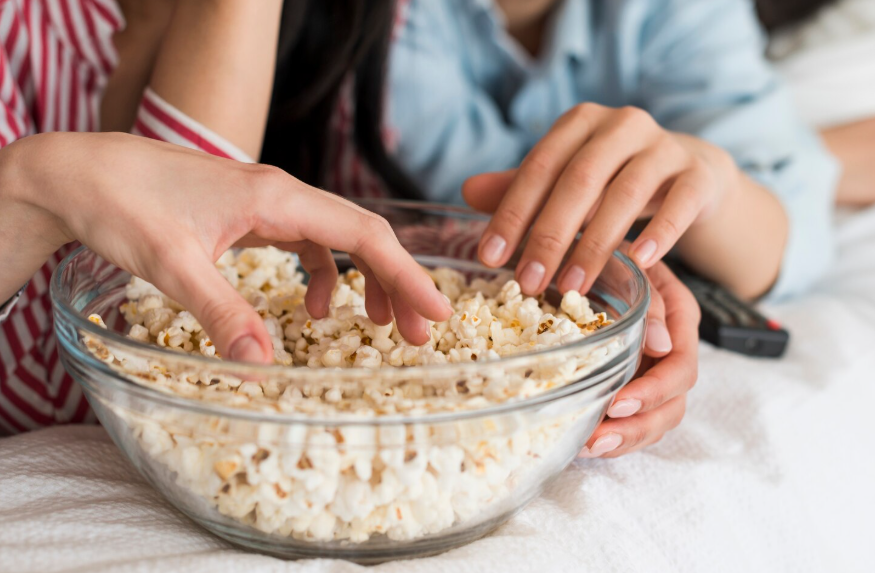
  1. Air-popped popcorn
  2. Yogurt with fruit and granola
  3. Apple slices with peanut butter
  4. Hard-boiled eggs
  5. Trail mix
  6. Veggies with hummus
  7. Cottage cheese with fruit
  8. Banana with nut butter
  9. Oat energy bites
  10. Homemade quesadilla wedges
  11. Toast with avocado or peanut butter
  12. Roasted chickpeas
  13. Frozen yogurt bark
  14. Cheese and crackers
  15. Smoothie cups or mini smoothies

Most of these require little or no cooking and can be prepped ahead.

Budget-Friendly Snack Staples to Keep On Hand

A smart snack system starts with versatile basics:

  • Oats
  • Popcorn kernels
  • Yogurt
  • Eggs
  • Fruit
  • Peanut butter
  • Crackers
  • Cheese
  • Hummus
  • Nuts or seeds

These ingredients can create multiple snack combinations without buying separate specialty products.

That usually saves more than constantly purchasing single-serve snack packs.

Check 10 Pantry Staples You Should Always Have on Hand for useful basics.

Prep Snacks Once, Benefit All Week

Small prep sessions can make healthy snacks easier to choose.

Wash fruit, portion trail mix, boil eggs, cut vegetables, or make energy bites once, then repeat for the next few days.

When snacks are visible and ready, you are less likely to grab expensive convenience foods or random sweets out of desperation.

Ease often drives choices more than intention.

Keep Snacks Satisfying

Many snacks fail because they are not filling. A handful of plain crackers may lead to more snacking quickly.

Try pairing carbs with protein or fat: fruit with peanut butter, crackers with cheese, vegetables with hummus, yogurt with granola.

Balanced snacks tend to hold you over better and feel more worthwhile.

Read 12 High-Protein Meals That Keep You Full Longer for more filling ideas.

Homemade Does Not Need to Be Perfect

You do not need artisan granola or hand-rolled protein bars every weekend. Even simple assembled snacks count.

A sliced apple and peanut butter is homemade enough. So is popcorn made on the stove. So is yogurt with berries.

The goal of snacking is practical wins, not social media-level snack prep.

Better Snacks, Smarter Spending

Snacks are a category where grocery costs can quietly climb. Small packaged items often carry high markups for convenience.

By switching even a few snacks each week to simpler homemade versions, you can save money and often enjoy better flavor.

That is a strong trade most households can appreciate.

See 5 Batch Cooking Strategies That Save Hours Every Week for easier prep habits.

Make Snack Time Work for You

The best snack is the one that fits your day, satisfies your hunger, and does not create unnecessary cost or stress.

Keep a few easy ingredients stocked, prep what helps, and repeat favorites. Over time, your snack routine becomes cheaper, tastier, and easier.

Sometimes the smartest grocery move happens between meals.

15 Quick Dinners You Can Make in Under 30 Minutes

With a few smart ingredients and simple methods, you can make satisfying dinners in under 30 minutes using foods many households already buy.

Some nights, dinner needs to happen fast. After work, errands, school pickups, or plain exhaustion, long recipes can feel impossible. That is when quick dinners become more than convenient. 

Meals that are quick to prepare protect your budget, reduce takeout temptation, and lower stress. Fast meals do not need to be boring or overly processed. 

1–5: Fast Pantry and Fridge Meals

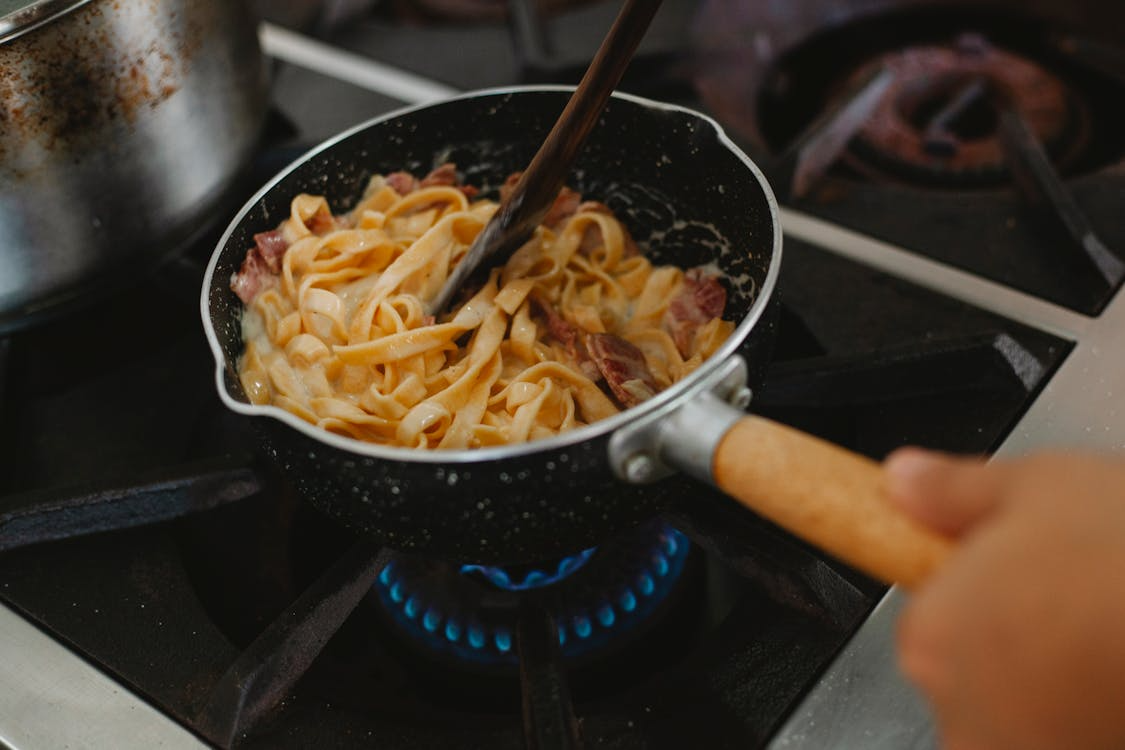
1. Pasta with garlic and vegetables – Cook pasta, sauté garlic, add vegetables, toss together.

2. Egg fried rice – Use leftover rice, eggs, frozen vegetables, and soy sauce.

3. Quesadillas – Fill tortillas with cheese, beans, chicken, or vegetables.

4. Tuna melts – Tuna mixed with mayo or yogurt on toast with melted cheese.

5. Breakfast for dinner – Scrambled eggs, toast, and fruit or potatoes.

These meals work because they rely on common staples and minimal prep.

They are ideal for nights when energy is low, but you still want real food.

Explore 10 Meal Ideas Using Only Pantry Staples for more staple-based dinners.

6–10: Protein-Packed Weeknight Wins

6. Chicken stir-fry – Thin chicken pieces cook quickly with vegetables.

7. Turkey tacos – Brown ground turkey, add seasoning, serve in tortillas or bowls.

8. Shrimp bowls – Shrimp cook in minutes and pair with rice and vegetables.

9. Bean burrito bowls – Beans, rice, salsa, cheese, avocado, or greens.

10. Greek yogurt chicken wraps – Use leftover chicken with yogurt sauce and vegetables.

Quick proteins help meals feel more satisfying and can reduce later snacking.

Using pre-cooked or leftover proteins makes these even faster.

Check The Best Budget Proteins to Stock Up On Right Now for affordable protein options.

11–15: Low-Effort Comfort Meals

11. Tomato soup and grilled cheese – Classic, fast, and reliable.

12. Sheet pan sausage and vegetables – Roast together at high heat.

13. Loaded baked potatoes – Microwave potatoes, add toppings.

14. Ramen upgrade bowl – Add eggs, vegetables, and protein to instant noodles.

15. Pasta salad dinner bowl – Cold pasta with vegetables, beans, and dressing.

Comfort food does not need to mean slow cooking. Smart shortcuts can still feel satisfying.

A few pantry backups make these meals easy to pull off anytime.

How to Make Quick Dinners Even Faster

Keep key ingredients on hand: pasta, rice, eggs, tortillas, canned beans, frozen vegetables, broth, cheese, and one or two proteins.

Use leftovers strategically. Extra rice becomes fried rice. Leftover chicken becomes wraps or tacos. Roasted vegetables become pasta add-ins.

Prep small things ahead when possible. Chopped onions, cooked rice, or washed greens can shave several minutes off dinner.

See Kitchen Organization Hacks That Make Cooking Easier for smoother meal prep.

Build a Quick Dinner Rotation

You do not need fifteen new meals every week. Choose five favorites and repeat them often.

For example:

  • Monday: tacos
  • Tuesday: pasta
  • Wednesday: fried rice
  • Thursday: quesadillas
  • Friday: soup and grilled cheese

Rotation reduces decision fatigue and makes grocery shopping easier because you know what to buy.

Quick Meals Can Still Be Smart Meals

Fast dinners are often dismissed as lower quality, but speed and quality can coexist. A homemade 20-minute meal is often cheaper and more balanced than last-minute takeout.

Even simple combinations of protein, carbs, and vegetables can be enough on busy nights.

The goal is not culinary perfection. It is having realistic meals that support real life.

Read The Sunday Reset: How to Set Up Your Kitchen for the Week for a simpler weekly routine.

Save Time Without Sacrificing Dinner

When evenings are hectic, a short list of reliable, quick dinners can make a huge difference.

Keep staples stocked, reuse leftovers, and lean on meals that require little thought. Dinner becomes less of a daily burden and more of a manageable routine.

Sometimes the smartest meal is simply the one you can make tonight.

15 Grocery Store Items That Are Cheaper Than You Think

Knowing where the hidden value lives can stretch your grocery budget without making meals feel repetitive or boring.

Many shoppers assume cheap grocery store items are the most obvious basics, like rice, pasta, or canned soup. But some of the best values in the store are items people overlook because they seem expensive at first glance. 

When you look at cost per serving, convenience, nutrition, and versatility, certain products become smart budget buys. 

1–5: Budget Finds Hiding in Plain Sight

1. Rotisserie Chicken

It may cost more per pound than raw chicken, but it saves time and yields multiple meals. Use it for tacos, sandwiches, soup, salads, and wraps.

2. Frozen Vegetables

Often cheaper than fresh, especially out of season. They’re already washed, chopped, and ready to cook, with no risk of spoilage.

3. Oats

A low-cost breakfast staple that also works in smoothies, muffins, overnight oats, and homemade granola.

4. Eggs

Even when prices rise, eggs remain among the most affordable proteins per serving. Great for breakfast, fried rice, sandwiches, and baking.

5. Bananas

One of the cheapest fruits available year-round. Ideal for snacks, oatmeal, smoothies, or banana bread when overripe.

These items win because they do more than one job. Versatility is often where grocery savings really happen.

Explore 12 Frozen Foods That Are Actually High Quality for more smart freezer buys.

6–10: Pantry Staples With Big Value

6. Dried Beans

Extremely affordable and filling. Cook a batch and use them in bowls, chili, soups, and burritos.

7. Store-Brand Pasta Sauce

Many store versions taste solid and cost far less than premium labels. Upgrade with garlic, herbs, or extra vegetables.

8. Peanut Butter

A budget-friendly source of protein and calories. Use it for toast, sandwiches, smoothies, sauces, or snacks.

9. Rice

White, brown, or jasmine rice can serve as the base for countless meals and store well for months.

10. Canned Tomatoes

A flexible cooking ingredient for soups, pasta sauces, chili, curry, and casseroles. Usually inexpensive and shelf-stable.

Pantry items shine because they reduce the need for emergency takeout. When you have meal-building ingredients on hand, you spend less overall.

Check 10 Pantry Staples You Should Always Have on Hand for dependable basics.

11–15: Surprising Refrigerated and Frozen Values

11. Greek Yogurt

Higher in protein than standard yogurt and useful beyond breakfast. Try it in parfaits, dips, marinades, or baking.

12. Cottage Cheese

Often inexpensive for the amount of protein it provides. Use it sweet or savory, blended into sauces, or with fruit.

13. Frozen Fruit

Usually cheaper than fresh berries and available year-round. Perfect for smoothies, oatmeal, or desserts.

14. Tortillas

Often more cost-effective than specialty breads or wraps. Use for tacos, quesadillas, breakfast burritos, or pizza bases.

15. Block Cheese

Buying a block and shredding it yourself is often cheaper than pre-shredded bags, and it melts better, too.

These items can replace pricier convenience foods while giving you more control over portions and flavor.

How to Use Cheap Finds in Everyday Meals

The smartest grocery savings come from combining affordable ingredients into easy meals. Try oats with bananas for breakfast, rice bowls with eggs and frozen vegetables for lunch, or rotisserie chicken tacos for dinner.

You can also batch-cook basics. Make a pot of rice, roast vegetables, boil eggs, and portion yogurt snacks at the start of the week. A little prep turns inexpensive groceries into grab-and-go convenience.

Think in categories: protein, carb, produce, flavor. Mix one item from each group to build endless meals from low-cost ingredients.

See 15 Quick Dinners You Can Make in Under 30 Minutes for easy ways to use them.

Shop for Value, Not Just Price Tags

The cheapest item on the shelf is not always the best deal. A slightly higher-priced food that creates multiple meals, saves prep time, or reduces waste may be the smarter buy.

Use unit pricing when possible, compare store brands, and focus on foods you’ll actually eat. A bargain that gets thrown away costs more than a useful staple you finish every time.

Once you learn which groceries deliver the most value, saving money becomes easier without sacrificing quality.

Read Store Brand vs Name Brand: What’s Actually Worth It? for smarter comparisons.

12 Time-Saving Kitchen Tools That Actually Work

Whether you cook often or want weeknight meals to feel less exhausting, time-saving kitchen tools can make a noticeable difference without turning your kitchen into a gadget museum.

Kitchen gadgets promise to change your life, but many end up buried in drawers after a week. The best tools are not the flashiest; they are the ones that consistently save time, reduce effort, and make cooking easier on busy days. A good kitchen tool earns its space by solving a real problem. 

Prep Tools That Speed Everything Up

Some tools save time before cooking even starts.

1. Sharp chef’s knife – Faster, safer, and more efficient than dull knives.

2. Cutting board with grip – Stable prep space makes chopping easier.

3. Box grater or handheld grater – Quick for cheese, vegetables, garlic, or citrus zest.

4. Kitchen shears – Great for herbs, trimming meat, opening packages, and pizza slices.

Many people buy gadgets to avoid knife work when a sharp knife and a stable board would solve the issue better.

Good basics often outperform single-purpose tools.

Explore How to Cook Once and Eat All Week for easier meal prep.

Cooking Tools That Save Weeknight Time

The right cooking tools can reduce hands-on time and cleanup.

5. Sheet pan – One-pan dinners with protein and vegetables.

6. Nonstick skillet – Fast eggs, stir-fries, reheating, and simple meals.

7. Rice cooker – Reliable grains with minimal attention.

8. Slow cooker or multicooker – Useful for soups, shredded meats, beans, and set-it-and-forget-it meals.

These tools are valuable because they free your attention while food cooks.

That matters when dinner happens alongside work, family, or a busy schedule.

Check Easy Sheet Pan Dinners for Lazy Nights for simpler dinners.

Storage and Cleanup Helpers

Time-saving does not end when the food is done.

9. Glass or stackable storage containers – Faster leftovers, easier meal prep, better fridge organization.

10. Silicone spatula – Scrapes jars, bowls, pans, and sauces with less waste.

11. Colander or mesh strainer – Quick draining, rinsing, and washing produce.

12. Measuring cups/spoons kept together – Small detail, big frustration saver.

Cleanup friction can discourage cooking. Tools that simplify storage and washing make repeat cooking easier.

What Makes a Tool Worth Buying

Ask three questions before buying anything new:

  • Will I use this weekly?
  • Does it solve a real annoyance?
  • Can another tool already do the job?

If the answer is no, skip it. A cluttered kitchen can slow you down as much as missing tools can.

The best purchases often replace frustration rather than add novelty.

Read How to Avoid Impulse Buys at the Grocery Store for better buying habits.

Build a Tool Kit Slowly

You do not need all twelve tools at once. Start with the pain point you feel most.

If chopping is a miserable experience, upgrade your knife, and if weeknights are chaotic, buy a sheet pan or slow cooker. If leftovers go to waste, improve your containers.

Small strategic upgrades usually create more value than buying a large gadget haul.

Save Time by Improving the Process

Many people think they need more motivation to cook. Often, they need less friction.

When prep is easier, cooking is faster, and cleanup is simpler, homemade meals become more realistic on busy days.

That is why good kitchen tools matter. They do not cook for you—but they make it easier for you to keep cooking.

See The Best Containers for Meal Prep (Tested & Ranked) for smarter storage.

Choose Utility Over Hype

The most useful kitchen tools are rarely the most exciting ones. A sharp knife, a sheet pan, and solid containers can outperform trendy gadgets with big marketing claims.

Choose tools that fit your habits and remove real obstacles. Over time, your kitchen becomes faster, calmer, and more functional.

That is what a truly helpful tool should do.

12 High-Protein Meals That Keep You Full Longer

When protein is paired with fiber-rich carbs and vegetables, meals often feel more complete and easier to stick with throughout the day.

Protein can make meals more satisfying, support energy levels, and help reduce the urge to snack again an hour later. 

However, high-protein eating does not require expensive powders, bland chicken breasts, or complicated meal plans. Simple grocery staples can create filling meals that taste good and fit real schedules. 

Why Protein Helps With Fullness

Protein digests more slowly than many refined carbs and can help meals feel more satisfying for longer. That does not mean carbs are bad—it means balance matters.

Meals built only around quick carbs may leave some people hungry sooner. Adding eggs, beans, yogurt, chicken, tuna, tofu, or cottage cheese can change that experience.

Protein also becomes more useful when paired with fiber and volume from foods like vegetables, oats, fruit, rice, or potatoes.

Explore 10 Comfort Foods You Can Make Healthier for more balanced meal ideas.

12 High-Protein Meal Ideas

These high-protein meal ideas use simple ingredients to create filling meals that are easy to repeat.

  1. Greek yogurt bowl – Yogurt, fruit, nuts, seeds.
  2. Egg and veggie scramble – Eggs with spinach, peppers, and onions.
  3. Chicken rice bowl – Chicken, rice, vegetables, and sauce.
  4. Tuna wrap – Tuna with greens in a tortilla.
  5. Cottage cheese breakfast bowl – Fruit, cinnamon, nuts.
  6. Turkey tacos – Ground turkey with beans or vegetables.
  7. Lentil soup – Protein plus fiber in one bowl.
  8. Tofu stir-fry – Tofu, rice, mixed vegetables.
  9. Bean burrito bowl – Beans, rice, salsa, avocado.
  10. Protein oats – Oats with yogurt or nut butter.
  11. Shrimp pasta – Shrimp with pasta and vegetables.
  12. Hard-boiled eggs snack plate – Eggs, fruit, veggies, hummus.

Budget-Friendly Protein Sources

Some of the best protein values in the store include eggs, beans, lentils, canned tuna, Greek yogurt, cottage cheese, chicken thighs, tofu, and peanut butter.

These foods often cost less than trendy bars, shakes, or prepackaged “fitness” foods.

A simple grocery system built around affordable proteins can be easier to maintain than constantly buying premium convenience products.

Check 10 Pantry Staples You Should Always Have on Hand for practical kitchen basics.

How to Build a Filling Plate

A satisfying meal usually includes more than protein alone.

Try this formula:

  • Protein: eggs, chicken, beans, yogurt, tuna, tofu
  • Carb: rice, oats, potatoes, fruit, wraps, pasta
  • Produce: vegetables or fruit
  • Flavor: sauce, herbs, seasoning, crunch

This creates meals that feel complete rather than restrictive.

Compare 10 Global Dishes You Can Make at Home for more balanced meal combinations.

Meal Prep for Easier High-Protein Eating

Prepared proteins make weekdays easier. Cook chicken once, boil eggs, portion yogurt, or make a batch of lentil soup.

When protein is ready to use, quick meals become much more realistic during busy hours.

Even small prep tasks can prevent low-energy food decisions later.

Read 5 Batch Cooking Strategies That Save Hours Every Week for easier prep habits.

Common Mistakes to Avoid

Do not assume more protein is always better. Oversized portions without balance can feel heavy or expensive.

Also, avoid relying solely on dry, repetitive meals. Flavor matters. Sauces, herbs, spices, and different cooking methods help consistency last.

The best high-protein plan is one you enjoy enough to repeat.

Full Longer, Stress Less

Many people are not looking for a nutrition lecture; they want meals that hold them over and fit their budget.

Using practical food proteins with balanced ingredients can do exactly that. You do not need extremes or expensive products.

Start with one or two meals from this list, repeat what works, and build a routine that keeps you full and satisfied.

12 Frozen Foods That Are Actually High Quality

A smart freezer section strategy can save time, lower grocery costs, and keep better ingredients ready whenever you need them. High quality frozen foods can do all three when chosen well.

Frozen food used to carry a reputation for being bland, overly processed, or nutritionally inferior. That stereotype no longer fits many of today’s options. Freezing can preserve flavor, texture, and nutrients while making meals faster and reducing food waste. 

The trick is knowing which frozen foods deliver real value and which ones are just expensive convenience traps. 

Frozen Foods Worth Keeping on Hand

Some frozen items are consistently high-value because they are versatile, dependable, and easy to use.

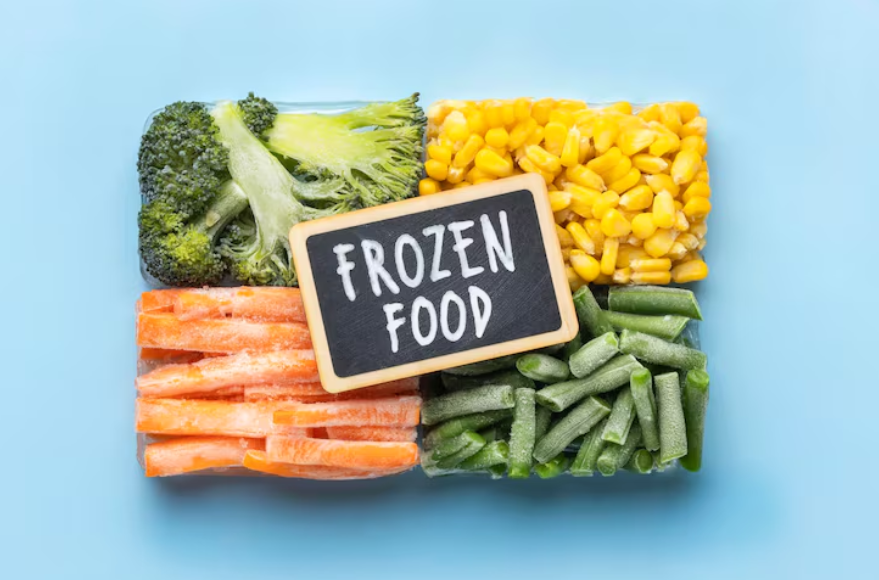
1. Frozen berries – Great for smoothies, oatmeal, yogurt, and baking. Often cheaper than fresh berries.

2. Frozen spinach – Ideal for eggs, pasta, soups, and casseroles.

3. Frozen broccoli – A quick side dish or stir-fry ingredient.

4. Frozen peas – Sweet, affordable, and ready in minutes.

5. Frozen mixed vegetables – Useful for fried rice, soups, and meal prep bowls.

6. Frozen corn – Easy for tacos, salads, soups, and sides.

These basics work because they reduce spoilage. You use what you need and keep the rest for later.

Explore 10 Meal Ideas Using Only Pantry Staples for more long-lasting meal basics.

Protein and Meal Helpers That Can Be Smart Buys

The freezer section can also simplify busy weeknights when used strategically.

7. Frozen shrimp – Fast-cooking and great for pasta, bowls, or stir-fry.

8. Frozen chicken strips or plain chicken breast – Helpful for quick dinners when chosen carefully.

9. Frozen meatballs – Useful for pasta, subs, soups, or appetizers.

10. Frozen cooked rice – A convenience item that can save time on hectic days.

Look for options with straightforward ingredients and reasonable sodium levels when possible. Not every convenience product is equal.

Sometimes paying slightly more for a time-saving staple prevents takeout, which can be the bigger savings.

Check 15 Quick Dinners You Can Make in Under 30 Minutes for faster meal ideas.

Breakfast and Snack Freezer Wins

Frozen foods are not just for dinner.

11. Frozen fruit bars or yogurt pops – A simple dessert or snack option.

12. Frozen waffles or pancakes – Useful for rushed mornings when paired with fruit or eggs.

These can be especially helpful for households with busy schedules. Convenience has value when it supports routines and reduces stress.

The key is treating them as tools, not the center of every meal.

How to Spot High-Quality Frozen Foods

Read nutrition labels the same way you would anywhere else in the store. Look at ingredient lists, serving sizes, sodium, and added sugars, by category.

For plain produce, the best choices are often the simplest: one ingredient and nothing else. For prepared meals, look for recognizable ingredients and balanced portions.

Avoid assuming premium packaging means premium quality. Some basic store-brand frozen vegetables are excellent and cost far less than trendy alternatives.

How Frozen Foods Save Money

Frozen foods help budgets in multiple ways. First, they reduce waste. Fresh produce that spoils in the fridge costs 100% of its price. Frozen produce waits until you need it.

Second, they can replace expensive last-minute meals. A freezer stocked with vegetables, rice, protein, and a few fast options creates backup dinners when plans fall apart.

Third, frozen foods make seasonal items more affordable year-round. Frozen berries or vegetables can cost less than off-season fresh versions.

See Bulk Buying 101: When It Saves Money (and When It Doesn’t) for smarter savings.

Build a Smarter Freezer, Not a Bigger One

You do not need to fill your freezer with random deals. Keep a short list of frozen foods your household actually uses.

Maybe that means berries, broccoli, shrimp, waffles, and mixed vegetables. Maybe it means spinach, rice, chicken, and fruit bars. Your best freezer is based on real habits.

When chosen well, frozen foods are not a compromise. They are among the smartest tools for modern grocery shopping.

Read How to Build a Weekly Meal Plan That You’ll Actually Follow for a practical routine.