The key is understanding when buying more lowers your real cost and when it simply increases your spending today. Bulk buying works best when it is intentional, not automatic.
Buying in bulk can feel like the ultimate smart shopper move. Bigger packages, warehouse clubs, and “family size” labels all suggest better value. Sometimes that is true. Other times, bulk buying leads to wasted food, cluttered storage, and a higher grocery bill disguised as savings.
When Bulk Buying Usually Saves Money
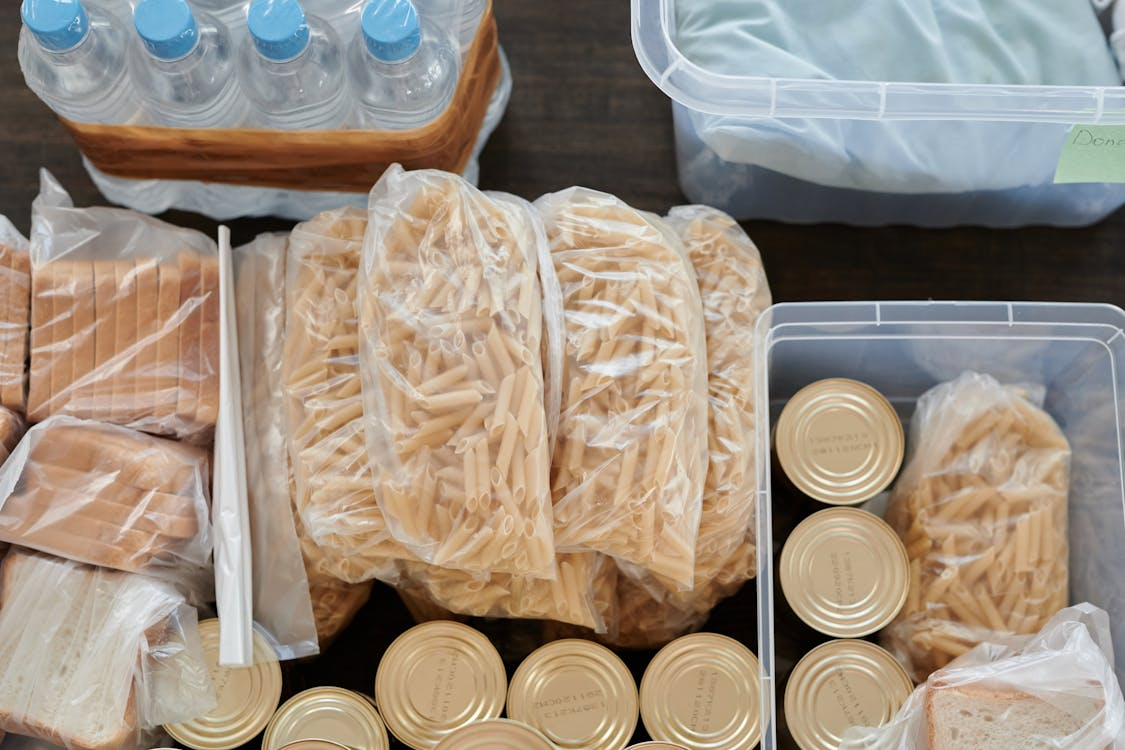
Bulk buying tends to work best for items you use regularly, store easily, and finish before they expire. Pantry basics like rice, oats, pasta, flour, canned goods, peanut butter, and cooking oil are common examples.
Household supplies can also be strong bulk buys. Toilet paper, laundry detergent, dish soap, and trash bags are often cheaper per unit in larger quantities.
Freezer-friendly foods may also offer savings. Frozen vegetables, frozen fruit, meat bought on sale, and bread stored in the freezer can reduce future grocery costs if you have the space.
The pattern is simple: frequent use plus a long shelf life equals a better chance of real savings.
Explore 10 Pantry Staples You Should Always Have on Hand for smart bulk basics.
When Bulk Buying Does Not Save Money
Bulk fails when products go bad before you use them. A giant container of spinach, a massive tub of dip, or oversized bakery items can become a waste of money.
It also fails when buying more causes overconsumption. If a huge snack box disappears twice as fast because it is always available, the lower unit price may not matter.
Another trap is buying unfamiliar items just because the deal looks good. Saving money on something your household does not enjoy is not savings at all.
Large purchases can also strain the weekly budget. Spending extra now for future value only works if cash flow allows it.
Check How to Avoid Impulse Buys at the Grocery Store for better shopping habits.
Always Check the Unit Price
The most useful bulk shopping tool is the unit price. This shelf label compares costs per ounce, per pound, per sheet, or per serving.
A larger package is not always cheaper. Promotions, brand pricing, and packaging tricks can make medium sizes a better deal than jumbo sizes.
Take a few seconds to compare. If the family-size cereal costs more per ounce than the regular box on sale, the bigger package is not the smarter buy.
Unit pricing turns “looks like a deal” into actual math.
Smart Bulk Categories to Prioritize
If you want to start small, focus on categories with the highest success rate:
- Pantry staples: rice, beans, oats, pasta
- Freezer items: vegetables, fruit, chicken, bread
- Household goods: paper products, soap, detergent
- Frequently used snacks: only if portioned well
- Lunch basics: tortillas, peanut butter, crackers
These categories usually combine practical storage with consistent usage, which is where bulk shines.
Skip bulk produce and perishables unless you already know your household finishes them quickly.
Compare Store Brand vs Name Brand: What’s Actually Worth It? for smarter comparisons.
How to Bulk Buy Without Creating Chaos
Bulk savings disappear fast when your kitchen becomes disorganized. Repackage large items into smaller containers, label dates, and store products where you can actually see them.
Freeze portions when possible. Divide meat into meal-size bags or separate bread into smaller amounts before freezing.
Keep an inventory list for deep pantry or freezer items. Many people rebuy products simply because they forgot they already had them.
The goal is access, not just ownership.
Read Kitchen Organization Hacks That Make Cooking Easier for easier storage systems.
Buy More of What You Use, Not What Is Popular
Bulk buying is not about purchasing the biggest package in the store. It is about buying more of the right things at the right time.
If your family uses oats every week, bulk oats make sense. If nobody likes hummus, the giant tub does not. Your habits matter more than generic shopping advice.
Done well, bulk buying can reduce costs, prevent extra trips, and create a more stable kitchen system. Done poorly, it just creates expensive clutter.