A little creativity can turn yesterday’s dinner into something that feels completely new.
Leftovers often have a branding problem. Many people picture eating the same plate again the next day and lose interest immediately. But leftovers don’t have to be repeats; they can be ingredients that help you turn them into new meals.
When you treat cooked food as a starting point instead of a finished meal, leftovers become one of the easiest ways to save money, reduce waste, and cook faster during the week.
Think Components, Not Leftovers
The easiest mindset shift is seeing leftovers as parts: cooked chicken, roasted vegetables, rice, pasta, beans, sauce, or potatoes.
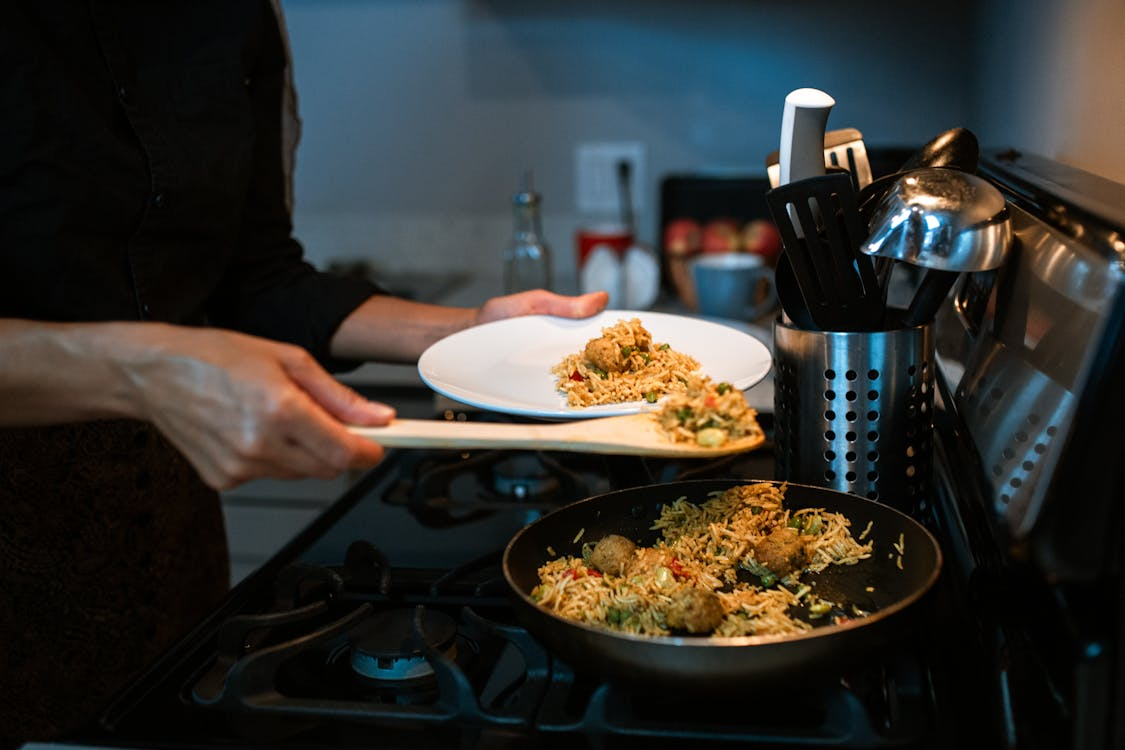
A container of plain rice is not “old dinner.” It is the base for fried rice, burrito bowls, soup, or stuffed peppers. Extra chicken can be used for wraps, tacos, salad toppings, pasta mix-ins, or quesadillas.
When food is stored separately rather than heavily mixed, it becomes even easier to repurpose.
Explore How to Cook Once and Eat All Week for more ways to reuse ingredients.
Fast Ways to Reinvent Common Leftovers
Some leftover upgrades work almost every time:
- Roasted chicken → tacos, sandwiches, soup, pasta
- Rice → fried rice, grain bowls, stuffed vegetables
- Roasted vegetables → omelets, pasta, soups, wraps
- Ground meat → chili, nachos, tacos, skillet bowls
- Pasta → pasta bake, cold pasta salad, skillet lunch
- Potatoes → breakfast hash, soup, crispy pan-fry
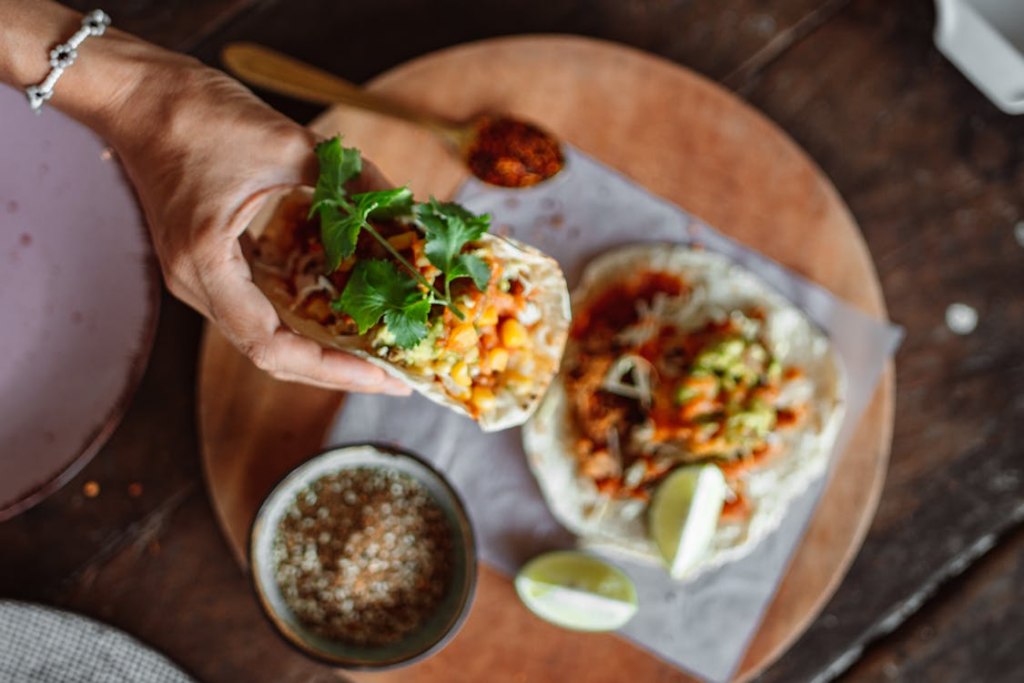
Changing the format matters. A taco feels different from yesterday’s chicken plate, even if the main ingredient is the same.
Read 10 Meal Ideas Using Only Pantry Staples for simple second-meal ideas.
Use Sauces and Seasonings to Change the Flavor
One of the fastest ways to make leftovers feel new is by changing the flavor profile.
Chicken and rice can go Mexican-style with salsa and lime, Mediterranean with lemon and yogurt sauce, or Asian-inspired with soy sauce and garlic.
The ingredients may be similar, but the taste experience changes enough to feel fresh. Keep simple flavor boosters on hand, such as salsa, hot sauce, mustard, vinaigrette, soy sauce, pesto, or spice blends.
Add One Fresh Element
A fresh ingredient can quickly revive leftover food. Add chopped herbs, greens, tomatoes, avocado, cucumber, shredded cabbage, or a fried egg.
Fresh crunch, color, or acidity can transform reheated food from flat to appealing. Even a squeeze of lemon or a handful of greens can make a difference.
This is especially helpful for leftovers that feel heavy or repetitive.
Build a Weekly Leftover Strategy
Do not wait until containers pile up mysteriously in the fridge. Plan for leftovers while cooking.
Make extra chicken on purpose. Cook more rice than needed. Roast an additional tray of vegetables. Then schedule their second use into the week.
Example: Monday: roast chicken; Tuesday: chicken tacos; Wednesday: chicken soup. Planning the second life of food increases the chance it gets eaten.
Check How to Build a Weekly Meal Plan That You’ll Actually Follow for easier weekly planning.
Food Safety and Storage Matter
Store leftovers promptly in sealed containers and label dates if helpful. Use older leftovers first and keep your fridge organized so food stays visible.
If you know something will not be used soon, freeze it. Soups, cooked meats, rice, and sauces often freeze well.
The best leftover system is not just creative; it is organized.
Save Money Without Feeling Repetitive
Throwing away food is like throwing away grocery money. Turning leftovers into new meals helps every shopping trip go further.
It also saves time. Starting dinner with cooked ingredients is much easier than starting from scratch after a long day.
When leftovers stop being repeats and start becoming opportunities, your kitchen becomes more efficient, more affordable, and more creative.
See Budget-Friendly Meals That Taste Expensive for more low-cost meal ideas.