12 Crowd-Pleasing Dishes for Gatherings and Potlucks

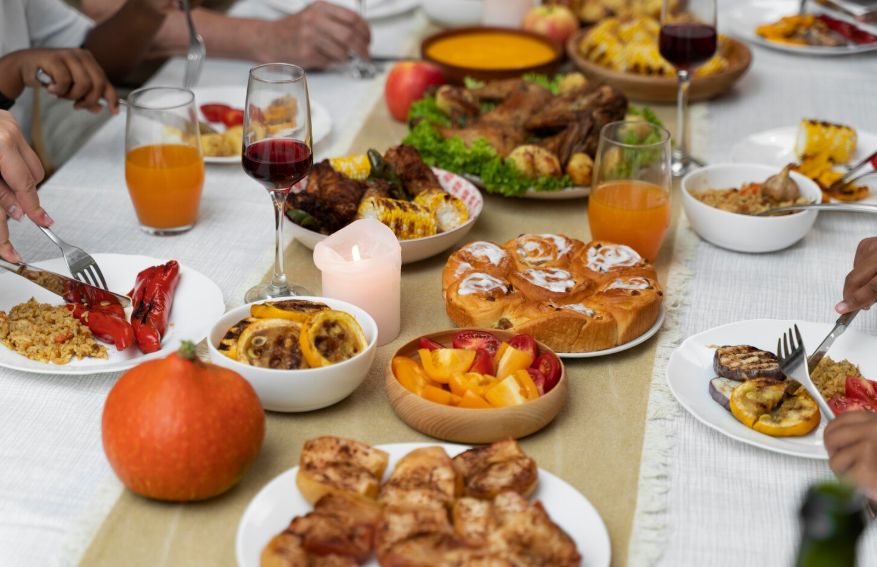
A few proven favorites can help you show up confident, feed a crowd, and avoid last-minute stress in the kitchen. The best potluck dish ideas are reliable, easy to serve, and appealing to a wide range of tastes.

Bringing food to a gathering can feel like pressure. You want something people will actually eat, something that travels well, and something that does not require restaurant-level effort.

What Makes a Great Potluck Dish

Crowd-pleasing dishes usually share a few traits: familiar flavors, easy serving, and flexibility. Foods that can sit briefly, reheat well, or taste good at room temperature are especially useful.

Portion-friendly meals matter too. If guests can easily scoop, slice, or grab servings, the table flows better.

The best choice is often something dependable rather than overly ambitious.

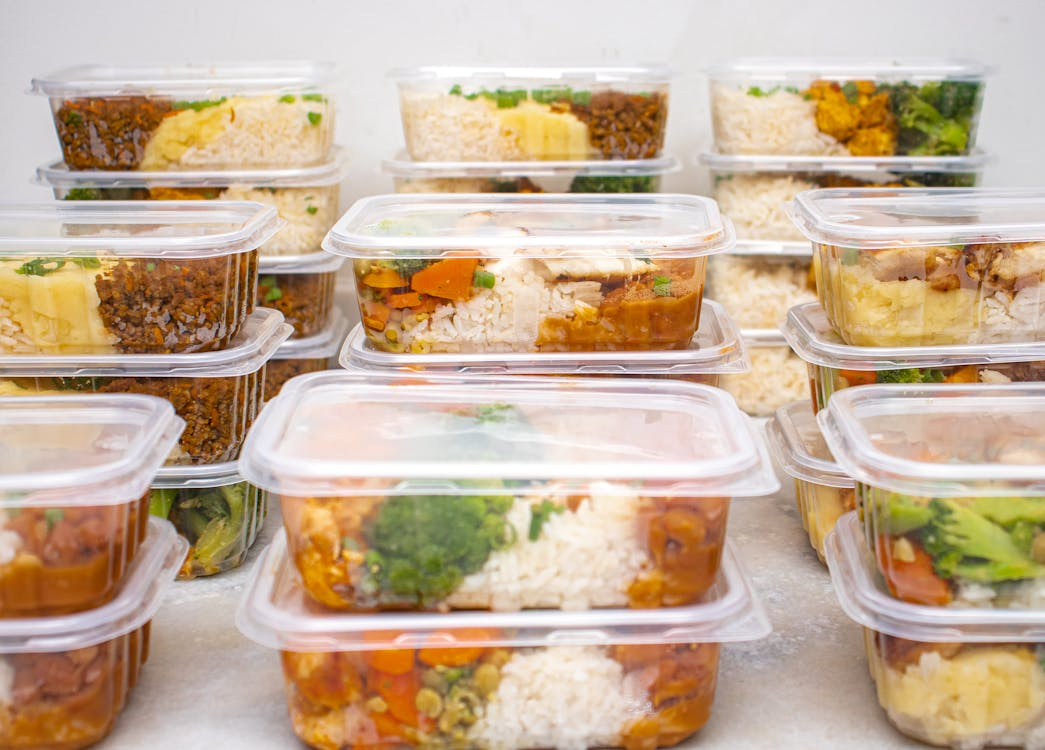
Explore The Best Containers for Meal Prep (Tested & Ranked) for easier transport.

12 Potluck Favorites That Usually Win

These potluck dish ideas stand out because they are easy to serve and familiar to most guests.

  1. Baked mac and cheese
  2. Pasta salad
  3. Chili
  4. Slider sandwiches
  5. Taco dip
  6. Deviled eggs
  7. Meatballs in sauce
  8. Sheet pan roasted vegetables
  9. Chicken casserole
  10. Brownies or bars
  11. Fruit tray
  12. Potato salad

These dishes work because most people understand them instantly and know how to enjoy them.

They also scale well for different group sizes.

Best Choices by Situation

For casual game nights or family events: sliders, chili, taco dip, brownies.

  • For outdoor events: pasta salad, fruit tray, potato salad, bars.
  • For colder weather gatherings: mac and cheese, casserole, meatballs, chili.
  • For mixed dietary needs: roasted vegetables, fruit tray, bean-based dips, pasta salad with add-ins served separately.

Matching the dish to the setting often matters as much as the recipe itself.

Check Desserts You Can Make With 5 Ingredients or Less for simple sweets.

How to Make It Easier on Yourself

Choose dishes you have made before when possible. A gathering is not always the best time to test a complicated new recipe.

Prep what you can the night before. Chop ingredients, mix sauces, bake desserts, or assemble casseroles early.

Use disposable or easy-to-retrieve containers if appropriate. Protect your energy, not just the recipe.

Budget-Friendly Crowd Cooking Tips

Feeding a group does not have to be expensive. Pasta, potatoes, rice, beans, eggs, and seasonal produce stretch far.

Dishes like pasta salad, baked casseroles, chili, and bars often cost less per serving than individually portioned foods.

Bulk ingredients plus simple flavors usually outperform expensive specialty items in a crowd setting.

Learn How to Build a $75 Weekly Grocery List for a Family for smarter budgeting.

Transport and Serving Matter Too

Think beyond cooking. Bring serving spoons, napkins if needed, and a dish that is easy to carry.

Use containers with lids. USDA food safety guidelines also recommend keeping hot foods hot and cold foods chilled when possible. Labeling ingredients can also help guests with allergies or preferences.

A good dish that arrives neatly and serves easily gets appreciated even more.

You Do Not Need to Impress Everyone

Many people overcomplicate potluck cooking because they want to wow the room. Usually, people want tasty food and enough of it.

A warm tray of mac and cheese or a solid pasta salad often beats an elaborate recipe nobody recognizes.

Consistency wins more gatherings than novelty.

Read Grocery Shopping Hacks That Professional Chefs Swear By for easier prep.

Bring Something You Feel Good About

The best potluck dish is one you can make confidently, transport easily, and serve proudly.

Pick one or two favorites from this list and make them your go-to options. That removes future stress every time an invitation appears.

When the dish is simple and dependable, gatherings become a lot more fun.
10 Pantry Staples You Should Always Have on Hand

You do not need a giant storage room or dozens of specialty items, just smart basics that work hard in multiple ways.

A well-stocked pantry saves money, reduces stress, and makes dinner easier on busy days. When you keep a few dependable staples at home, you can build meals without needing a full shopping trip every time hunger strikes.

Pantry foods also help bridge the gap between fresh grocery runs by turning leftover vegetables, frozen proteins, or simple eggs into complete meals. 

Why Pantry Staples Matter

Pantry staples create flexibility. If your original dinner plan falls apart, you still have ingredients to make something fast and filling. That reduces the temptation to order takeout or overspend on convenience food.

They also lower grocery stress. Instead of starting from zero each week, you only need to restock what was used and add fresh items around your existing base.

The best staples are affordable, shelf-stable, and useful across many meals. That combination is what makes them worth keeping on hand year-round.

Explore 10 Meal Ideas Using Only Pantry Staples for simple dinner ideas.

The 10 Pantry Staples to Always Keep

This pantry staples list highlights versatile basics that make quick meals and everyday cooking much easier.

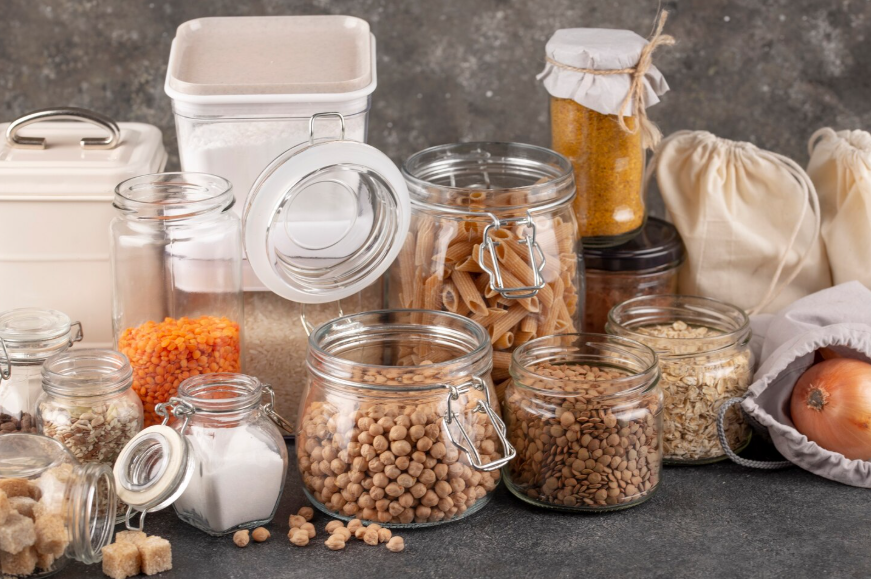
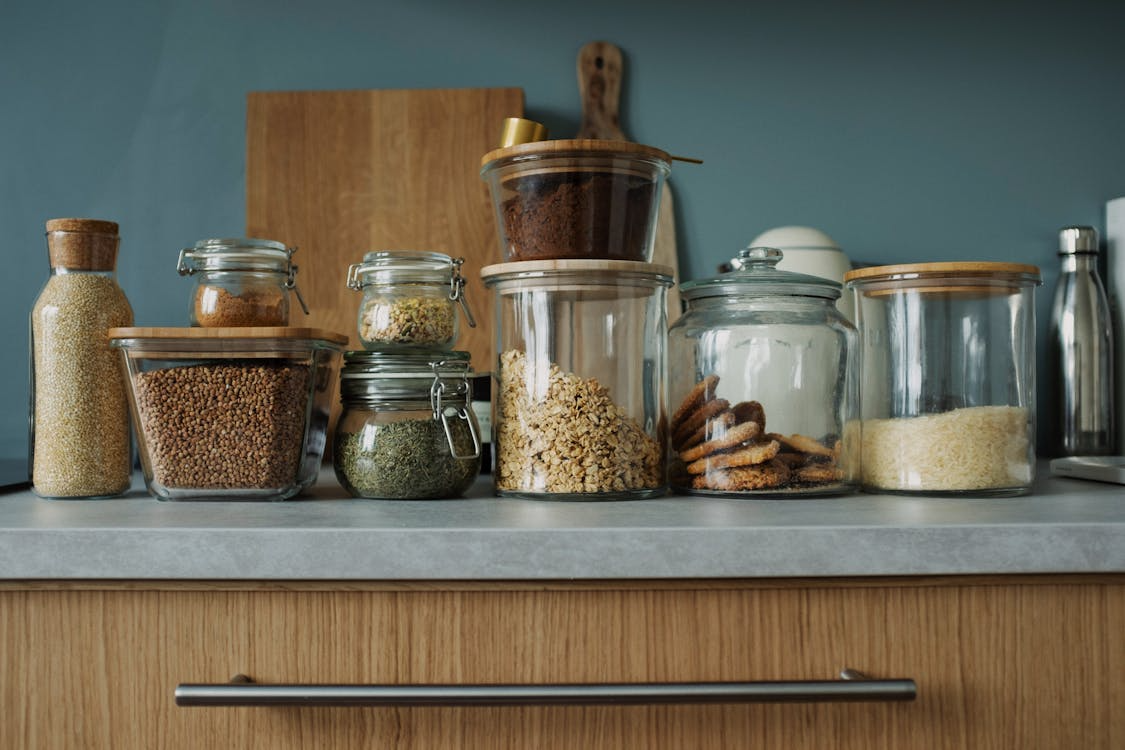
  1. Rice – A dependable base for bowls, stir-fry, burritos, soups, and side dishes.
  2. Pasta – Quick cooking, family-friendly, and endlessly adaptable with sauces or vegetables.
  3. Oats – Perfect for breakfast, baking, smoothies, or homemade snack bars.
  4. Canned Beans – Fast protein and fiber for tacos, salads, chili, soups, and bowls.
  5. Canned Tomatoes – Useful for pasta sauce, soup, chili, curry, and casseroles.
  6. Peanut Butter – Great for sandwiches, snacks, sauces, oatmeal, and smoothies.
  7. Broth or Bouillon – Adds flavor to soups, rice, sauces, and one-pot meals.
  8. Flour – Helpful for baking, pancakes, thickening sauces, or breading foods.
  9. Cooking Oil – Essential for roasting, sautéing, dressings, and general cooking.
  10. Basic Seasonings – Salt, pepper, garlic powder, and Italian seasoning go a long way.

These ten items cover breakfast, lunch, dinner, snacks, and emergency meals with very little waste.

Check 10 Make-Ahead Breakfasts for Busy Mornings for more staple-based ideas.

Quick Meals You Can Make From These Basics

With pantry staples, simple meals come together fast. Rice, beans, and seasoning make a filling bowl. Pasta, canned tomatoes, and garlic make dinner in minutes.

Oats can be made into overnight oats, warm oatmeal, or blended into muffins. Flour can turn eggs and milk into pancakes or quick batter recipes.

Add one fresh ingredient, such as spinach, onion, eggs, or leftover chicken, and pantry foods feel even more complete. The staples do the heavy lifting while fresh items add variety.

See 10 Global Dishes You Can Make at Home for more flexible meal ideas.

How to Stock Without Overspending

You do not need to buy everything at once. Add one or two staples each grocery trip until your pantry feels reliable. This spreads out the cost and avoids waste.

Watch for sales on shelf-stable food. Buying an extra bag of rice or two cans of beans when discounted can help future budgets.

Store foods neatly and visibly. If items go missing in cluttered cabinets, you may end up rebuying things you already own. A simple, organized shelf can save money on its own.

How to Keep Your Pantry Useful

Use the oldest items first and restock what you reach for most. If you never cook lentils, they are not a staple for your household, no matter how healthy they sound.

Build your pantry around how you really eat. If your family loves pasta nights, keep extra pasta on hand. If breakfast is rushed, prioritize oats and nut butter.

A useful pantry is personal, not trendy. The best staples are the foods that consistently solve real-life meal problems at home.

Read Store Brand vs Name Brand: What’s Actually Worth It? for smart savings tips.

A Small Pantry Can Create Big Relief

You do not need a picture-perfect pantry to benefit from one. Even a handful of dependable basics can make meals easier, shopping faster, and budgets more manageable.

When dinner plans change or schedules get hectic, your pantry becomes a backup system you can trust. That kind of everyday reliability is one of the smartest grocery investments you can make.

10 One-Pot Meals That Make Cleanup Easy

Whether you use a skillet, Dutch oven, soup pot, or slow cooker, one-pot meals can save time, reduce stress, and make weeknight cooking much easier.

Cooking dinner is one challenge. Cleaning up afterward can feel like a second job. That is why one-pot meals are so valuable. They simplify both sides of the equation: less cookware, fewer dishes, and often faster cooking overall. You still get a full meal, but with far less mess. 

Why One-Pot Meals Work So Well

One-pot meals reduce friction. Instead of juggling multiple pans, timers, and cleanup stations, everything happens in one place.

They also help flavors build naturally. Ingredients cook together, sauces are absorbed into the grains, and seasonings are spread evenly through the dish.

For busy households, the biggest benefit may be psychological. Dinner feels more manageable when you know cleanup will be simple.

Explore 12 Time-Saving Kitchen Tools That Actually Work for faster cleanup help.

10 Easy One-Pot Meal Ideas

These easy one-pot meals make dinner simpler with filling recipes and leave less cleanup behind.

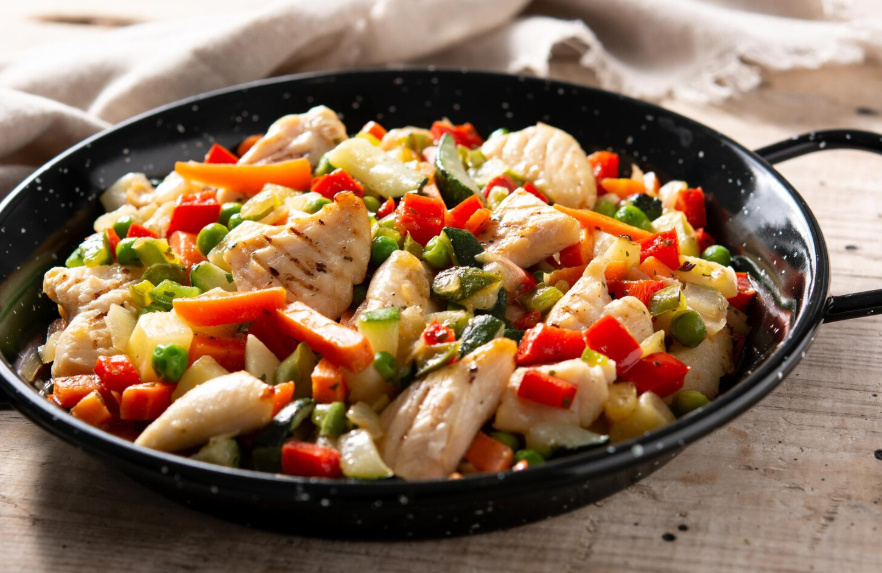
  1. Chicken and rice skillet – Chicken, rice, broth, vegetables, seasonings.
  2. Chili – Beans, tomatoes, meat or extra beans, spices.
  3. Pasta with sausage and spinach – Pasta cooks in the sauce.
  4. Vegetable soup – Great for produce that needs using.
  5. Taco rice bowl – Ground meat or beans, rice, salsa, spices.
  6. Lentil curry – Lentils, coconut milk, tomatoes, spices.
  7. Beef or turkey stew – Hearty and freezer-friendly.
  8. Creamy tomato pasta – Fast comfort food in one pan.
  9. Fried rice skillet – Best with leftover rice.
  10. Shakshuka – Eggs simmered in spiced tomato sauce.

These meals can be adjusted based on what you already have at home.

Pantry Staples That Make One-Pot Cooking Easy

Keeping a few basics on hand makes spontaneous one-pot meals much easier.

Useful staples include rice, pasta, canned tomatoes, broth, beans, lentils, frozen vegetables, onions, garlic, and spices.

With those ingredients plus one protein or extra vegetables, dinner is usually possible even when the fridge looks sparse.

That is one reason one-pot cooking pairs so well with budget grocery planning.

Check The Best Budget Proteins to Stock Up On Right Now for affordable add-ins.

How to Build Your Own One-Pot Meal

Most one-pot meals follow a simple structure:

  • Base: rice, pasta, potatoes, beans, or lentils
  • Flavor: onion, garlic, herbs, spices, broth, sauce
  • Main ingredients: chicken, turkey, eggs, beans, and vegetables
  • Finish: greens, cheese, yogurt, herbs, citrus

Once you understand the pattern, you do not always need a recipe. You can improvise with what is available.

That flexibility helps reduce food waste and keeps dinners interesting.

Learn How to Grocery Shop for the Week in Under 30 Minutes for quicker planning.

Tips for Easier Cleanup

Use the right cookware with enough space so ingredients do not overflow. Stir occasionally to prevent sticking, especially with rice or pasta dishes.

Let the pot soak while you eat if needed. Even a single dirty pan becomes easier to clean when cleaned promptly.

Keep a silicone spatula nearby to scrape sauces and reduce stuck-on mess.

Small habits make cleanup even faster.

Great for Leftovers and Freezer Meals

One-pot meals often reheat well, making them perfect for lunches or second dinners later in the week.

Chili, soups, curry, pasta dishes, and rice bowls can often be portioned and frozen, too.

That means one easy dinner can become multiple future meals with little extra work.

Read 12 Frozen Foods That Are Actually High Quality for easy backup meals.

Simpler Cooking, Simpler Evenings

Many people do not need more recipes; they need easier systems. One-pot meals solve a practical problem while still delivering satisfying food.

Choose a few favorites, keep pantry basics stocked, and repeat what works. Dinner becomes less overwhelming when both cooking and cleanup stay simple.

Sometimes one pot really is enough.

10 Meal Ideas Using Only Pantry Staples

When you know how to combine them, pantry staple meals become a budget-friendly backup plan that saves money, reduces stress, and helps you eat well even between grocery trips.

A nearly empty fridge does not always mean you need to take out. Many satisfying meals can be made with foods already in your pantry. Shelf-stable ingredients like pasta, rice, beans, oats, canned tomatoes, peanut butter, and spices can do far more than people realize. 

Why Pantry Meals Matter

Pantry meals create security. When schedules change, the weather gets bad, or the fridge is low on food, you still have dinner options.

They also reduce waste because you rely on foods with long shelf lives instead of letting fresh ingredients spoil while you figure out what to cook.

Most importantly, pantry cooking teaches creativity. You stop seeing ingredients as separate items and start seeing combinations.

Explore The Sunday Reset: How to Set Up Your Kitchen for the Week for a smarter routine.

10 Pantry Meal Ideas

These pantry staple meals turn basic shelf-stable ingredients into simple dinners that are affordable and easy to make.

  1. Pasta with garlic tomato sauce – Pasta, canned tomatoes, garlic, and seasoning.
  2. Rice and beans bowl – Rice, beans, spices, hot sauce.
  3. Lentil soup – Lentils, broth, canned tomatoes, spices.
  4. Peanut noodles – Pasta or noodles with peanut butter sauce.
  5. Chickpea curry – Chickpeas, canned tomatoes, curry seasoning.
  6. Oatmeal dinner bowl – Savory oats with seasoning and beans.
  7. Tomato rice skillet – Rice cooked with tomatoes and spices.
  8. Bean chili – Mixed beans, tomatoes, chili seasoning.
  9. Tuna pasta – Pasta, tuna, olive oil, seasonings.
  10. Pancakes or flatbreads – Flour, oats, baking basics.

These meals are simple, but they can be filling and surprisingly good.

Flavor Is What Makes Pantry Meals Work

Without fresh produce or premium ingredients, seasoning becomes more important.

Keep basics like salt, pepper, garlic powder, onion powder, Italian seasoning, chili powder, soy sauce, mustard, and vinegar on hand.

A can of beans tastes very different with cumin and lime-style seasoning than with garlic and herbs: same ingredient, new meal.

Flavor variety keeps pantry cooking from feeling repetitive.

Check The Best 5-Ingredient Recipes for Busy Weeknights for simple dinner ideas.

Pantry Meals on a Budget

Pantry foods are often among the cheapest per serving in the store. Beans, rice, oats, and canned foods are some of the most practical and low-cost healthy foods that can support affordable meals.

That makes them ideal for tight weeks, emergency planning, or stretching the grocery budget further.

Even adding a single fresh ingredient later, such as onion, spinach, or eggs, can significantly elevate a low-cost pantry meal.

Learn Bulk Buying 101: When It Saves Money (and When It Doesn’t) for budget tips.

How to Build Your Own Pantry Meal

Use this formula:

  • Base: rice, pasta, oats, flour, lentils
  • Protein: beans, lentils, tuna, peanut butter
  • Flavor: tomatoes, broth, spices, sauces
  • Optional finish: cheese, herbs, hot sauce

Once you understand the pattern, you can improvise instead of relying on specific recipes.

That flexibility is the real power of pantry cooking.

Keep Your Pantry Ready

Pantry meals only work if the pantry is stocked intentionally. Keep a short list of staples you regularly use and replace them when they run low.

You do not need endless specialty ingredients. A few reliable basics are enough.

Organized shelves also help. If you can see what you have, you are more likely to use it.

Read The Best Ways to Store Fresh Produce So It Lasts Longer for storage help.

More Than a Backup Plan

Pantry meals are not just last-resort food. They are affordable, practical meals that can earn a regular place in your rotation.

Knowing you can make dinner from shelf-stable basics lowers stress and adds confidence to your kitchen routine.

Sometimes the best meal is already in the cupboard.

10 Make-Ahead Breakfasts for Busy Mornings

Make-ahead breakfast ideas save time, reduce weekday stress, and make it easier to start the day with something filling. 

Busy mornings often turn breakfast into an afterthought. When time is short, many people skip it entirely or grab something expensive and unsatisfying on the go. 

A better solution is to prepare breakfast ahead of time. You do not need complicated recipes or hours of prep, just a few simple options you can rotate each week.

Why Make-Ahead Breakfasts Work

Morning routines are smoother when a decision has already been made. Instead of asking what to eat while rushing out the door, breakfast is waiting.

Prepared breakfasts can also save money. Daily coffee shop pastries or drive-thru meals add up quickly over a month. Homemade options usually cost far less per serving.

They also help with consistency. When healthy, satisfying food is easy to grab, you are more likely actually to eat it.

Explore How to Build a Weekly Meal Plan That You’ll Actually Follow for a simple routine.

10 Easy Make-Ahead Breakfast Ideas

These make-ahead breakfast ideas keep mornings easier with filling options you can prep ahead.

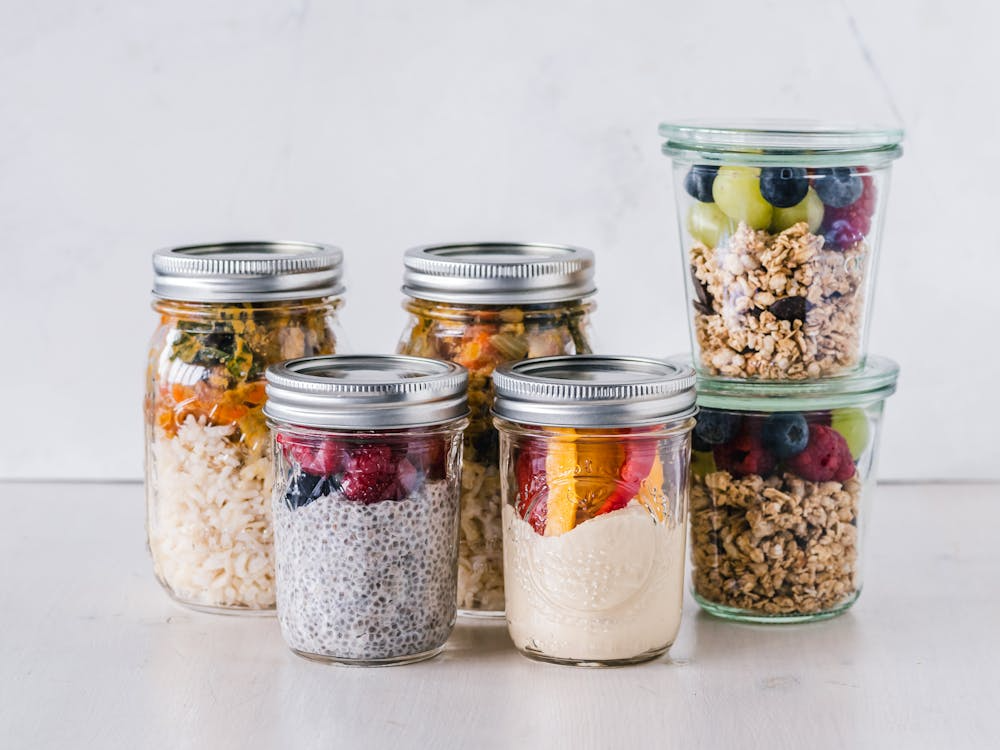
  1. Overnight oats – Oats, milk, yogurt, and fruit in a jar overnight.
  2. Egg muffins – Baked eggs with vegetables and cheese in muffin tins.
  3. Yogurt parfait cups – Yogurt layered with fruit and granola.
  4. Freezer breakfast burritos – Eggs, beans, cheese, and vegetables wrapped and frozen.
  5. Chia pudding – Chia seeds soaked in milk with fruit or cinnamon.
  6. Baked oatmeal squares – Sliceable oatmeal bars for grab-and-go mornings.
  7. Hard-boiled eggs with fruit – Simple and high in protein.
  8. Smoothie packs – Frozen fruit and add-ins pre-portioned for blending.
  9. Peanut butter banana sandwiches – Freeze or refrigerate for quick mornings.
  10. Cottage cheese bowls – Portion with fruit, nuts, or honey.

These can be mixed and matched, so breakfast stays easy without becoming boring.

A Simple Sunday Prep Plan

You do not need to prep all ten ideas. Choose two or three options for the week.

Example: make overnight oats for Monday through Wednesday, egg muffins for Thursday and Friday, and freeze a few burritos for backup.

In about one hour, you can boil eggs, bake oatmeal, portion yogurt cups, and prep smoothie bags: small effort, big payoff.

Check How to Prep a Week of Lunches in 2 Hours for another easy prep strategy.

How to Keep Breakfast Interesting

Many people quit meal prep because they repeat the same thing for too long. Rotation solves that problem.

Change flavors with simple add-ins: berries one week, bananas the next. Use cinnamon, cocoa, peanut butter, nuts, seeds, or different yogurts.

Even repeating the same base recipe can feel new when toppings change.

Budget Tips for Breakfast Prep

Use affordable staples like oats, eggs, bananas, yogurt, frozen fruit, and peanut butter. These ingredients stretch across many breakfasts.

Buy larger yogurt tubs instead of single-serve cups when practical. Use seasonal fruit or frozen fruit to lower costs.

Breakfast prep does not need premium ingredients to be effective. Consistency matters more than fancy recipes.

Check 15 Grocery Store Items That Are Cheaper Than You Think for low-cost staples.

Match Breakfast to Your Morning Reality

If you commute early, choose portable foods like burritos, muffins, or jars. If you work from home, maybe smoothie packs or oatmeal make more sense.

If you need more protein, prioritize eggs, yogurt, or cottage cheese. Now, if mornings are chaotic, choose items that require zero cooking.

The best breakfast plan fits your real schedule, not an idealized one.

Read 12 High-Protein Meals That Keep You Full Longer for more filling options.

Start the Day With Less Stress

A make-ahead breakfast is more than food. It is one less rushed decision in the morning.

When something good is already waiting in the fridge or freezer, mornings feel smoother, budgets improve, and energy starts the day off stronger.

Pick two simple options this week and see how much easier breakfast can become.

10 Global Dishes You Can Make at Home

You do not need a passport or a restaurant budget to explore global flavors. Easy international recipes can help you bring beloved dishes from around the world into your kitchen using accessible ingredients and simple techniques.

Cooking globally is one of the easiest ways to add variety to your routine, learn new flavor combinations, and make dinner more exciting. You do not need perfect authenticity to begin. 

Respectful inspiration, practical ingredients, and a willingness to try something new are enough to get started.

Why Global Cooking Is Worth Trying

Cooking dishes from different food traditions expands your kitchen vocabulary. You learn new ways to use rice, beans, spices, herbs, sauces, and vegetables.

It also helps prevent dinner boredom. Familiar ingredients can feel new when prepared with different flavors or techniques.

Global cooking does not have to mean expensive specialty shopping. Many dishes rely on pantry basics plus a few key seasonings.

Explore 10 Pantry Staples You Should Always Have on Hand for useful starting ingredients.

10 Global Dishes to Make at Home

These easy international recipes bring more variety to dinner, highlighting flavors worth repeating at home.

  1. Stir-fry (East Asia-inspired) – Vegetables, protein, rice, soy-based sauce.
  2. Tacos (Mexico-inspired) – Protein or beans, tortillas, toppings.
  3. Chickpea curry (South Asia-inspired) – Chickpeas, tomatoes, spices.
  4. Fried rice (East Asia-inspired) – Rice, eggs, vegetables, sauce.
  5. Shakshuka (North Africa/Middle East-inspired) – Eggs in tomato sauce.
  6. Pasta primavera (Italy-inspired) – Pasta, vegetables, garlic, cheese.
  7. Burrito bowls (Mexico-inspired) – Rice, beans, salsa, toppings.
  8. Greek-style bowls (Mediterranean-inspired) – Rice, cucumber, yogurt sauce.
  9. Lentil soup (many traditions) – Lentils, vegetables, broth, spices.
  10. Flatbread pizzas (global variations) – Bread base, sauce, toppings.

These are approachable starting points that can be adapted to your pantry and preferences.

Keep It Practical, Not Intimidating

Many people avoid global cooking because they think every ingredient must be exact. Authenticity matters, but beginners can still start with what is available.

If a recipe calls for one vegetable, use a similar one you already have. If a specialty ingredient is unavailable, begin with a practical substitute and learn as you go.

The goal is growth and appreciation, not perfection on day one.

Check Meal Prep for Beginners: A Simple 3-Day System for an easier cooking routine.

Build Flavor With a Few Staples

A small collection of ingredients can open many doors:

  • Soy sauce
  • Garlic
  • Ginger
  • Cumin
  • Paprika
  • Curry powder
  • Lemon or lime
  • Yogurt
  • Beans
  • Rice

You do not need all of them at once. Even adding one or two new flavor tools can significantly expand your meal options.

See 10 Meal Ideas Using Only Pantry Staples for simple ingredient-based meals.

Great for Budgets Too

Many globally inspired meals are naturally budget-friendly because they use staples such as rice, beans, lentils, eggs, and vegetables, along with modest portions of meat.

That makes them ideal for households wanting variety without expensive grocery bills.

Flavorful cooking often depends more on seasoning and technique than premium ingredients.

Read Budget-Friendly Meals That Taste Expensive for more low-cost dinner ideas.

Learn One Dish at a Time

You do not need to master ten cuisines this month. Pick one dish that sounds exciting and start there.

Maybe tacos become a weekly staple. Maybe curry enters the rotation. Or maybe fried rice becomes your favorite leftover meal.

One successful dish builds confidence for the next.

Make Dinner More Interesting

Global cooking can turn routine food ingredients into something fresh. Rice becomes fried rice or burrito bowls. Eggs become shakshuka. Vegetables become stir-fry or curry.

That variety keeps home cooking enjoyable and sustainable.

Sometimes the easiest way to love cooking more is to cook a little farther from home.

10 Comfort Foods You Can Make Healthier

A few smart swaps and cooking tweaks can keep the comfort while improving balance, nutrition, and how you feel afterward. You do not need to give up the foods you love.

Comfort food exists for a reason. It is warm, familiar, satisfying, and often tied to memories or stress relief. The problem is not comfort food itself; it is that some versions can be so heavy they leave you sluggish or make it difficult to fit into everyday eating. 

What Makes Comfort Food “Healthier”?

Healthier does not have to mean joyless. It usually means adding more balance and healthy substitutions, not removing all pleasure.

That can include more protein, more vegetables, better portion control, less added sugar, or cooking methods that use less oil. Sometimes it simply means eating the same food more often in a version that supports your goals.

The best upgrade is the one you will actually repeat.

Explore 10 Pantry Staples You Should Always Have on Hand for smarter ingredients.

10 Comfort Foods With Smarter Twists

These healthy comfort food recipes keep familiar favorites satisfying while making them a little more balanced for everyday eating.

  1. Mac and cheese – Add broccoli, peas, or extra protein.
  2. Pizza – Use a thinner crust, more vegetables, and moderate cheese.
  3. Burgers – Leaner meat or turkey, whole grain bun, side salad.
  4. Fried rice – More vegetables, eggs, less takeout oil.
  5. Mashed potatoes – Mix in cauliflower or Greek yogurt.
  6. Tacos – Beans, lean protein, salsa, fresh toppings.
  7. Grilled cheese – Pair with tomato soup and add tomato or spinach.
  8. Pasta Alfredo – Lighten the sauce with milk or yogurt, and add chicken.
  9. Nachos – Build with beans, veggies, and portioned cheese.
  10. Pancakes – Add oats, fruit, eggs, or yogurt on top.

These are not “diet foods.” They are familiar meals with better support.

Add, Don’t Only Remove

Many people think healthier cooking means endless restriction. A more effective strategy is to add useful things.

Add vegetables to pasta, protein to breakfast, beans to tacos, fruit to dessert, or a side salad to pizza night.

This improves nutrition and fullness without making meals feel like punishment.

Often, the easiest win is what you include, not what you ban.

Check Easy Vegetarian Meals Even Meat Lovers Will Enjoy for easy meal ideas.

Use Portions and Frequency Wisely

Not every meal needs to be optimized. Sometimes the original version is worth enjoying exactly as it is.

Another option is changing how often or how much you eat it. A balanced serving with vegetables on the side can feel very different from an oversized portion eaten mindlessly.

Sustainable habits usually come from flexibility, not extremes.

Flavor Still Matters

Healthy versions fail when they taste disappointing. Use seasoning, texture, and freshness to keep meals satisfying.

Roasted vegetables taste better than plain boiled ones. Crisp toppings, herbs, sauces, garlic, lemon, and spices all help upgraded meals feel real.

You are not trying to trick yourself. You are trying to cook food worth eating.

Compare 10 One-Pot Meals That Make Cleanup Easy for simple dinner ideas.

Keep Comfort in the Routine

Comfort food can absolutely fit a healthy lifestyle. In many cases, it should. Enjoyable meals are easier to maintain than rigid plans built on deprivation.

The goal is not to eliminate emotional or nostalgic foods. It is to make them work better for everyday life when needed.

That balance is often healthier than guilt.

Read 15 Quick Dinners You Can Make in Under 30 Minutes for fast meal ideas.

Better Comfort, Same Satisfaction

You do not need to choose between comfort and health every time. Many favorite foods can meet somewhere in the middle.

Start with one meal you already love and make one practical improvement. Add protein, add vegetables, lighten the method, or adjust the portion.

Small, consistent upgrades can change a lot without giving up the foods that feel like home.

5 Batch Cooking Strategies That Save Hours Every Week

At its core, batch cooking for beginners means doing more work once, so you have less work later. The right strategy can save hours each week, reduce takeout temptation, and make dinner easier on your busiest days. 

Many people think batch cooking means spending an entire Sunday making identical meals in plastic containers. That version works for some, but it is not the only way. 

You do not need perfection or gourmet recipes, just a system that fits real life.

1. Cook Base Ingredients in Bulk

One of the easiest batch cooking methods is preparing foundational foods that can be reused in multiple meals.

Cook a large pot of rice, quinoa, pasta, or roasted potatoes. Make a tray of chicken, ground turkey, tofu, or beans. Wash and chop vegetables while those cook.

These ingredients can be used to make bowls, tacos, salads, stir-fries, wraps, or side dishes throughout the week.

Instead of cooking full meals from scratch every night, you assemble from prepared parts.

See How to Cook Once and Eat All Week for a similar strategy.

2. Double What You Already Make

You do not need separate batch-cooking days. Make extra whenever you cook.

If you are making chili, double the recipe. For roasting vegetables, fill a second tray. If cooking chicken, prepare enough for tomorrow’s lunch too.

This method works because it adds very little extra effort while creating future meals automatically.

It is one of the most beginner-friendly ways to start.

3. Use One Recipe Multiple Ways

A single batch can create different meals when used creatively.

For example, shredded chicken becomes tacos one night, grain bowls the next, and soup later in the week. Cooked ground meat can be used to make pasta sauce, burritos, or stuffed peppers.

Changing the format and flavor prevents boredom while keeping prep efficient.

This strategy helps meals feel fresh even when the base ingredient repeats.

Read How to Turn Leftovers Into New Meals for more ideas.

4. Freeze Extra Portions for Later

Not every batch needs to be eaten the same week. Freezing portions creates a long-term advantage.

Soups, sauces, meatballs, cooked rice, taco meat, and casseroles often freeze well, and USDA leftover storage guidelines note that most leftovers keep for 3 to 4 days in the refrigerator or 3 to 4 months in the freezer.

. Label containers with the date and contents.

Future-you benefits when busy nights arrive, and dinner is already halfway solved.

A stocked freezer is one of the best outcomes of consistent batch cooking.

Check A Beginner’s Guide to Freezer Meal Planning for more freezer prep help.

5. Batch the Small Tasks Too

Batch cooking is not only about full dishes. Small prep tasks can save surprising amounts of time.

Wash fruit, chop onions, shred cheese, mix dressings, boil eggs, portion snacks, or marinate proteins in advance.

These micro-preps reduce friction during the week. Dinner feels easier when several annoying steps are already done.

Often, it is the little tasks that stop people from cooking at all.

How to Choose the Right Strategy

You do not need all five methods at once. Choose the one that solves your biggest problem.

  • No time on weeknights? Cook base ingredients.
  • Hate extra prep days? Double recipes.
  • Get bored easily? Reuse ingredients in different meals.
  • Need emergency dinners? Freeze portions.
  • Struggle to start cooking? Batch small tasks.

Start where the friction is highest.

Save Time Without Losing Flexibility

The best batch cooking systems create options, not rigid schedules. You should feel more flexible, not trapped by containers of food you no longer want.

That is why components, leftovers, and freezer portions often work better than five identical meals.

A little work upfront can buy back hours later—and make homemade food much easier to maintain.

Browse Kitchen Organization Hacks That Make Cooking Easier for another helpful upgrade.

Build a Smarter Week

Batch cooking for beginners is less about cooking skill and more about leverage. Do something once, benefit multiple times.

Choose one strategy this week and test it. Even a pot of rice, extra chicken, or chopped vegetables can make the next few days noticeably easier.

Small systems repeated consistently often create the biggest results.